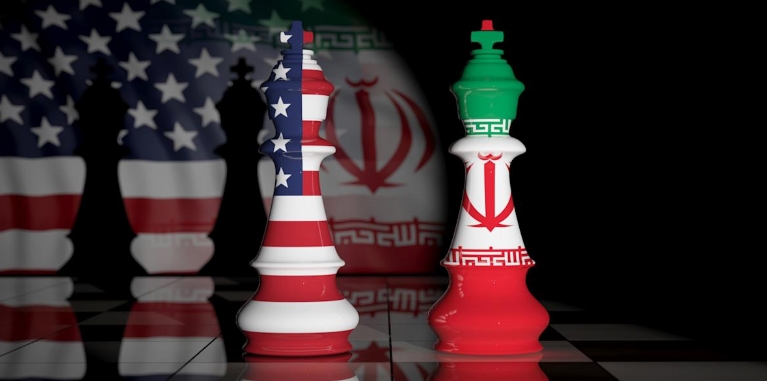
US increases economic pressure on Iran amid ceasefire – The fragile ceasefire between the United States and Iran has afforded just a brief pause in open conflict—but beneath the surface, tensions are not easing. Instead, Washington is escalating its economic campaign against Tehran, warning that while missiles may have fallen silent for now, financial warfare is accelerating. The outcome is a complex and unpleasant period in global politics, where diplomacy and pressure are occurring concurrently, each defining the next phase of this high-stakes confrontation.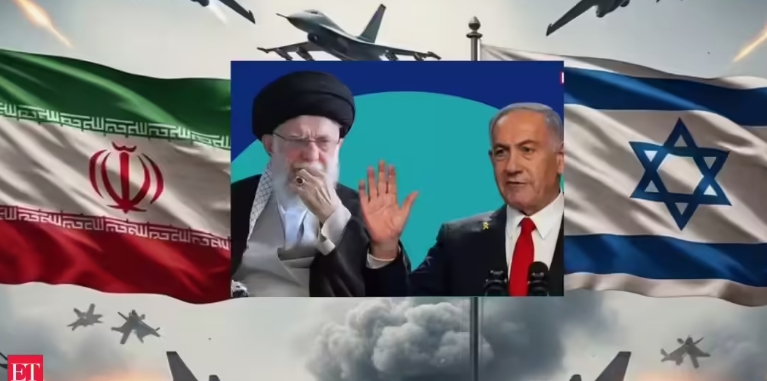
In recent days, the United States has pushed significantly to tighten economic sanctions on Iran, presenting the effort as a continuation of its long-standing “maximum pressure” approach. One of the most critical moves has been the decision to allow a temporary waiver on Iranian oil exports expire. This waiver had permitted restricted shipments—particularly oil already stranded at sea—to reach customers in order to stabilize global energy markets. Its expiration indicates a sudden swing back toward harsher enforcement, effectively cutting off a major revenue stream for Iran.
This policy shift goes beyond oil. U.S. officials have also sent severe warnings to international banks and financial institutions, notably those operating in critical global centers like China, Hong Kong, and the Middle East. These institutions now face the danger of secondary penalties if they continue enabling Iranian transactions. By targeting not just Iran but also its economic allies, Washington is aiming to isolate the country more entirely from the global financial system—a policy designed to escalate pressure without outright military escalation. US increases economic pressure on Iran amid ceasefire
At the same time, military and economic agendas are increasingly linked. The United States has reportedly enforced a naval blockade impacting Iranian maritime trade channels, interrupting cargo flows and reducing exports. Although officials underline that the blockade is designed to prevent direct conflict, its economic impact is considerable. Oil and gas shipments—central to Iran’s economy—have been notably hampered, prompting concerns about supply disruptions in global markets.
This dual-track approach—combining ceasefire diplomacy with enhanced economic pressure—highlights a broader geopolitical calculus. The United States appears to be utilizing the truce not as an endgame, but as an opportunity to press Iran toward concessions at the negotiating table. Key unsolved issues include Iran’s nuclear program, ownership of critical waterways, and demands for wartime reparations. Negotiations mediated by international actors remain ongoing, but progress is unpredictable and the truce itself remains weak.
For Iran, the economic ramifications are already severe. Even with the short respite in combat, the country’s economy is struggling to recover. Markets that briefly reopened after the ceasefire have witnessed limited activity, with inflation, supply shortages, and crippled infrastructure continuing to weigh heavily on daily living. Merchants report poor sales and increased expenses, revealing deeper structural harm caused by both war and sanctions.
The broader global economy is also seeing the rippling effects. Energy markets, in particular, remain very sensitive to changes in the region. Although oil prices initially decreased following the ceasefire announcement, volatility persisted due to concern over whether the truce will endure. Supply chains affected during the crisis have not entirely recovered, and firms globally are still battling with delays, higher costs, and logistical issues. US increases economic pressure on Iran amid ceasefire
Within the United States, the economic impact is equally complex. Officials have acknowledged that growth may weaken in the short term due to the protracted conflict and its implications on energy costs and consumer morale. While the larger economy remains resilient, rising gasoline costs and inflationary pressures have spurred domestic political discussion about the long-term costs of the struggle with Iran.
Some lawmakers have even advocated steps to insulate American customers from these effects, like limiting gasoline exports during price surges. These initiatives reflect rising anxiety that geopolitical measures abroad are translating into budgetary burden at home. At the same time, the administration has defended its policy as vital to achieve strategic objectives, claiming that short-term economic suffering may be required to assure long-term stability.
What makes the current situation particularly explosive is the contradiction at its root. A truce normally signifies de-escalation, however the tightening of economic pressure suggests the reverse. Rather than lessening tensions, the United States is embracing this moment to strengthen its grip, wagering that economic leverage would succeed where military force has stalled. For Iran, this offers a dilemma: comply with requests and risk seeming feeble, or fight and incur additional economic pain.
The stakes stretch far beyond the two nations engaged. The Strait of Hormuz and surrounding maritime routes are important arteries for global energy supply, and any disruption bears worldwide ramifications. Even the perception of instability can drive price movements, influence investor behavior, and reshape economic expectations. As a result, the U.S.–Iran relationship is not just a regional issue—it is a worldwide economic worry. US increases economic pressure on Iran amid ceasefire
Looking ahead, the trajectory of this dispute will likely rely on whether economic pressure can translate into diplomatic breakthroughs. If discussions succeed, the current policy may be considered as a planned maneuver that imposed real concessions. If they fail, however, the combination of economic strangulation and unsolved tensions might lead to further escalation—potentially destroying the fragile calm produced by the truce.
In many respects, this moment represents a turning point. The weapons may be quiet, but the pressure is mounting, and the outcome remains uncertain. The United States has made plain that it is not stepping back; instead, it is adjusting tactics, employing economic weapons to shape the battlefield in a different way. For Iran, and for the world, the question today is whether this pressure will bring about resolution—or push the war into its next, more unexpected phase. US increases economic pressure on Iran amid ceasefire
About the Author