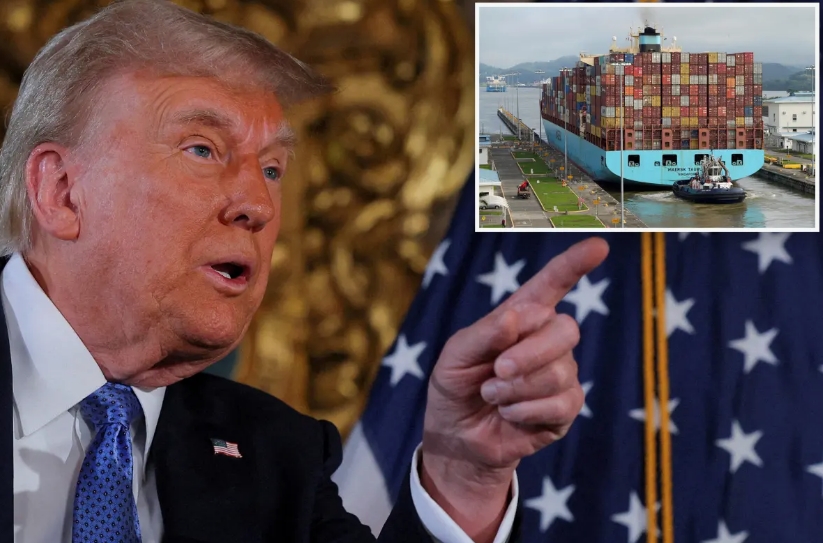
Trump’s Treasury boss visits NY diner, downplays gas-price surge as ‘blip – On a brisk morning in New York City, the hum of discussion inside a small neighborhood cafe was suddenly overwhelmed by the presence of a high-profile visitor. Donald Trump’s Treasury Secretary made an unexpected swing, sitting down with average Americans to discuss one of the most serious concerns facing households today: rising gas prices.
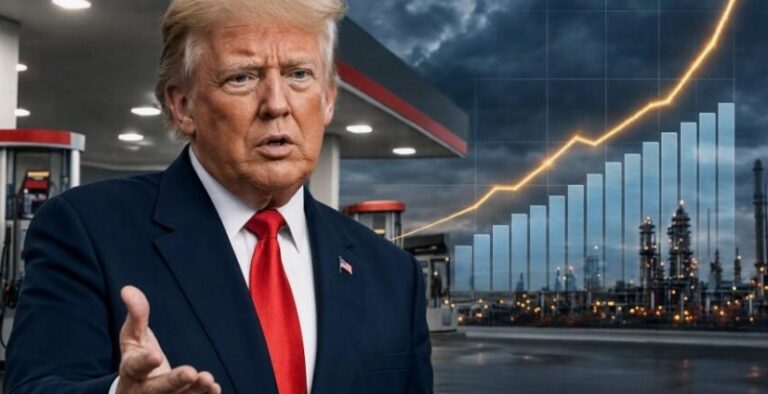
What occurred was a well prepared yet seemingly casual exchange—one that tried to bridge the gap between Washington’s economic narrative and the daily experiences of working-class individuals. Over coffee and eggs, the Treasury head attempted to reassure guests that the recent jump in fuel costs was temporary, portraying it as little more than a “blip” in an otherwise improving economy.
A Ground-Level Approach to Economic Messaging
The visit was not just about breakfast—it was about optics and connection. In an era when economic concern often dominates public discourse, events like this are supposed to show that lawmakers are listening. The Treasury Secretary proceeded from table to table, shaking hands, addressing questions, and, perhaps most crucially, hearing frustrations directly.
For many diners, the issue was obvious and immediate: the cost of filling up their cars had risen substantially in recent weeks. For commuters, delivery drivers, and small business owners, the increase wasn’t abstract—it was cutting directly into their wallets.
Yet the message from Washington remained consistent. According to the Treasury secretary, the spike was caused by short-term causes, including supply chain alterations and seasonal demand swings. “These things happen,” he reportedly told one group. “But they tend to correct themselves.”
The ‘Blip’ That Sparked Debate
Labeling the price surge a “blip” rapidly became the headline—and the controversy. Critics believe that such phrasing risks diminishing the financial burden suffered by millions of Americans. For families already suffering with inflation in groceries, housing, and utilities, increasing fuel expenses can feel like the tipping point.
Supporters, however, regard the statement as a reflection of broader economic data. They point to steady inflation rates and resilient employment growth as indicators that the economy is on solid footing. From this perspective, short-term changes in gas prices are not unusual and do not always imply broader concerns.
Still, the mismatch between macroeconomic numbers and ordinary experience remains a concern for policymakers. While facts may suggest improvement, public perception frequently tells a different tale.
Conversations Across the Counter
Inside the diner, the contrasts in perspective played out in real time. One customer, a delivery driver, noted how even a little increase in petrol prices might dramatically damage his earnings. Another, a senior, voiced concern about fixed income budgets being stretched thinner each month.
The Treasury Secretary listened attentively, occasionally nodding and offering clarifications. He added that the administration was monitoring the situation closely and has instruments at its disposal to combat continued price hikes if necessary.
But the chats were not one-sided. Some diners pushed back, questioning whether policymakers actually grasped the day-to-day realities of growing costs. Others were more receptive, expressing cautious optimism that prices would eventually stabilize.
The Broader Economic Context
To comprehend the Treasury chief’s words, it’s crucial to analyze the overall economic environment. Global oil markets are influenced by a complex web of factors, including geopolitical tensions, production decisions by major exporters, and fluctuations in demand.
In recent weeks, a combination of supply restrictions and increased travel activity has contributed to higher fuel prices. Seasonal influences, such as summer driving demand, might also play a role.
From the administration’s standpoint, these are transient challenges rather than structural difficulties. Officials maintain that domestic energy output is strong and that market forces will finally drive prices back down.
Political Undertones and Public Perception
Of course, economic message is never merely economic—especially in a politically charged climate. The visit to the diner can also be interpreted as part of a bigger campaign to mold public opinion and reinforce trust in the administration’s programs. Trump’s Treasury boss visits NY diner
For Donald Trump and his team, sustaining a narrative of economic success is important. Downplaying short-term issues helps reinforce that narrative, even if it risks criticism.
Opponents, meanwhile, are quick to highlight any symptoms of economic distress, suggesting that they represent deeper difficulties. In this scenario, a single word—“blip”—can take on outsized significance.
The Human Side of Economic Policy
What the dining visit eventually revealed is the human dimension of economic policy. Behind every number is a story: a commuter budgeting for fuel, a small company owner controlling costs, a family altering spending habits.
These stories don’t always fit neatly with economic models or expectations. They are molded by individual circumstances, perspectives, and priorities.
By strolling into a neighborhood diner, the Treasury Secretary attempted to engage with their stories personally. Whether the endeavor succeeded in developing trust is harder to measure.
Will Prices Actually Come Down?
The main question, of course, is whether the Treasury chief’s optimism will prove warranted. Historically, gas prices have demonstrated a tendency to vary, frequently settling after short-term surges. However, projecting energy markets is notoriously difficult. Unexpected events—whether geopolitical developments or natural disruptions—can suddenly affect the outlook. For now, the administration is betting that present conditions will alleviate. If they do, the “blip” narrative may persist. If not, the words could come back to haunt policymakers. Trump’s Treasury boss visits NY diner
A Snapshot of a Larger Conversation
In many respects, the diner visit was a microcosm of a wider national discourse. It underlined the contrast between official assurances and public anxiety, between data-driven analysis and lived reality. It also underlined the significance of communication. How leaders talk about economic issues can impact not only public perception but also confidence and conduct.
As the Treasury Secretary finished his meal and started to leave, the conversations he inspired continued. Diners returned to their routines, but the worries lingered: Are increased gas prices really simply a momentary bump? Or do they signal something more?
Final Thoughts
Moments like this—simple, unplanned, and grounded in everyday life—offer a rare view into the interaction of policy and people. The Treasury chief’s visit to a New York cafe may not resolve disagreements about gas costs, but it does remind us of what’s at stake. Economic policy is not only about numbers on a chart. It’s about the expense of a commute, the price of a delivery, and the balance of a household budget. Whether the recent spike in gas prices is genuinely a “blip” remains to be seen. But for those feeling the impact right now, it’s everything but tiny. Trump’s Treasury boss visits NY diner
About the Author