US-Iran ceasefire on tenuous ground Trump issues warning – The precarious ceasefire between the US and Iran, which was hurriedly declared and presented as a breakthrough, now seems to be in jeopardy. Confusion, mistrust, and growing hostility have swiftly replaced what at first caused a sigh of relief in international markets and political circles. Donald Trump is at the center of it all, and his acerbic comments and shifting stances continue to influence the unpredictable course of this tense ceasefire. US-Iran ceasefire on tenuous ground Trump issues warning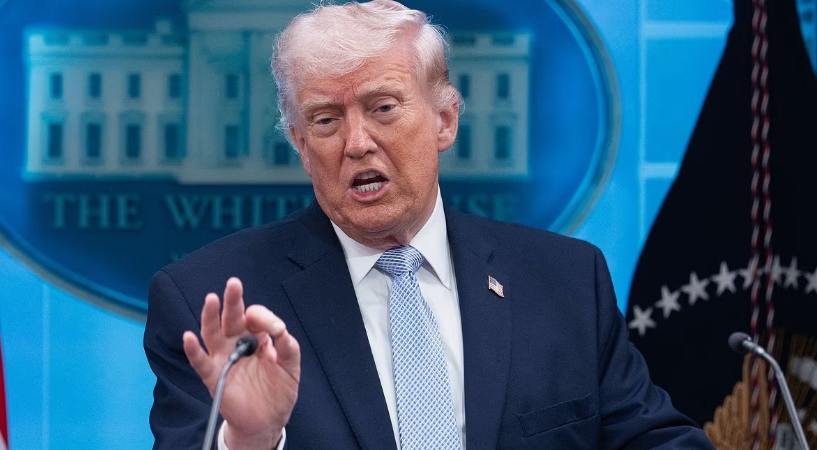
An Escalation Leads to a Ceasefire
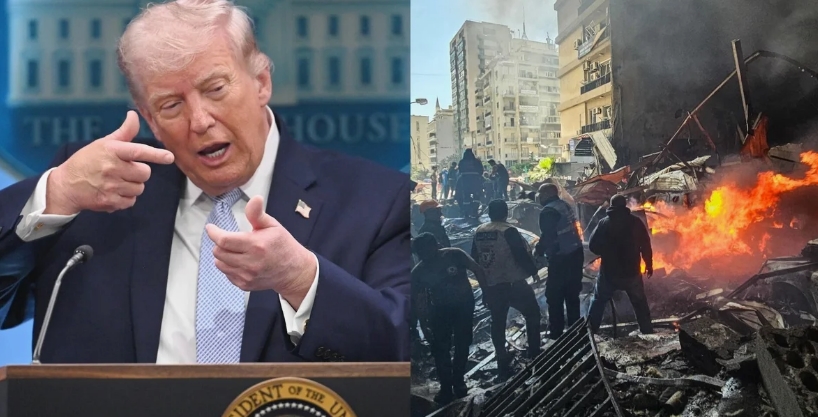
After nearly six weeks of fierce fighting that destabilized much of the Middle East, a two-week ceasefire was agreed upon. Significant human and financial losses had already been incurred as a result of the conflict, which included retaliatory attacks throughout the region and strikes by the United States and its allies against Iranian sites. There were reports of thousands of deaths, damage to vital infrastructure, and unrest in the world’s oil markets.
In light of this, the ceasefire came to be seen more as a necessary pause—an effort to stop further escalation—than as a carefully negotiated agreement. However, there was a lot of ambiguity in the agreement from the start. Although both Washington and Tehran declared victory, neither side seemed to agree on the specifics of the ceasefire.
Confusion and Contradictions Define the Truce
Cracks started to appear almost immediately after the announcement. The wording of the agreement were interpreted differently by officials on both sides. Iran argued that it retained important strategic advantages, including as sovereignty over the crucial Strait of Hormuz and the right to continue uranium enrichment, while the United States insisted that its military goals had been largely met.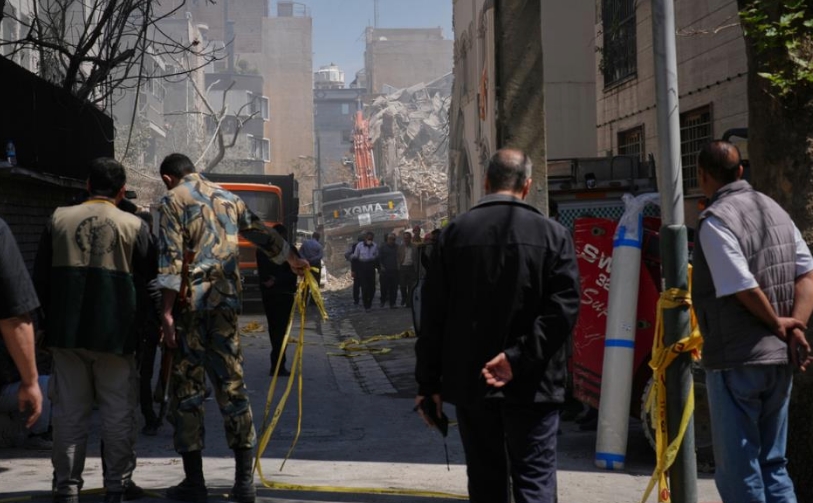
Each party acts under a different interpretation of the same agreement as a result of these contradictions, creating a risky “reality gap.” There is disagreement about even fundamental aspects, such as whether specific areas, like Lebanon, are covered by the truce. As a result, there is a truce that is more theoretical than actual. The truce could be broken at any time due to the ongoing skirmishes, drone interceptions, and regional proxy wars.
A Flashpoint: The Strait of Hormuz
One of the most strategically important waterways in the world, the Strait of Hormuz, is at the center of the conflict. This tiny corridor handles around 20% of all oil exports worldwide, therefore its condition is a global concern.
Trump has threatened dire repercussions if Iran does not comply with his repeated demands for the “complete, immediate, and safe” reopening of the strait. However, reports suggest that transit across the strait is still severely constrained, and vessel traffic has remained erratic despite these demands.
Iran seems to be using its authority over the canal as a negotiating tool. Confusion and controversy surrounding the ceasefire have only grown as a result of proposals to impose tolls on passing vessels and even a combined U.S.-Iran management system.
Trump’s Warning: Provocation or Pressure?
As usual, Trump has combined the ceasefire with forceful and frequently frightening language. He threatened to launch catastrophic military action if the Strait of Hormuz was not reopened before consenting to the truce. His aggressive tone has persisted even after the agreement, indicating that the ceasefire remains brittle and conditional.
Both allies and enemies are unsure of Washington’s true intentions as a result of this dual strategy, which offers diplomacy while threatening escalation. Trump’s warnings, according to some observers, are intended to coerce Iran into making concessions. Others worry that this kind of rhetoric could jeopardize the very negotiations it aims to promote.
Iran’s Pervasive Mistrust
Tehran has a deep-seated mistrust of the United States. Even before formal negotiations have started, Iranian authorities have already accused Washington of breaking important aspects of the truce.
This mistrust is not brand-new. Iranian leaders are hesitant to commit to any agreement that might subsequently be abandoned or reinterpreted because to years of failed negotiations and changing U.S. policies. Iran has been hesitant to make major concessions as a result, especially when it comes to delicate matters like its nuclear program.
One of the most divisive issues is still the debate over uranium enrichment. Tehran maintains its right to pursue a peaceful nuclear program despite strong military pressure, despite the United States’ long-standing efforts to limit Iran’s nuclear capabilities.
Regional Issues and Conflicts Through Proxies
The larger regional context adds still another level of intricacy. Fighting involving allied factions is still simmering, and the ceasefire does not fully cover all regions of violence. For example, Israeli operations against Iran-backed troops in Lebanon have continued, raising concerns about the ceasefire’s viability if important parties continue to fight.
This disjointed reality draws attention to a basic flaw in the agreement: it doesn’t have a thorough framework that covers the entirety of the issue. The risk of escalation is still considerable in the absence of mutual understanding and clear boundaries.
Policy Is Shaped by Domestic Pressures
Reactions to the ceasefire have been divided back home in the United States. The ceasefire has been applauded by several lawmakers and analysts who see it as an essential measure to prevent a wider conflict. Others, on the other hand, have denounced the deal as a calculated retreat that enables Iran to reorganize and preserve its power. US-Iran ceasefire on tenuous ground Trump issues warning
Divisions have started to appear among Trump’s own political base. The truce is viewed by some supporters as a practical step, while others see it as at odds with the hardline position he had previously supported.
Economic considerations have also been important. The ceasefire was as much an economic as a geopolitical decision due to demand for a speedy resolution brought on by rising fuel prices and market instability.
A Limited Perspective on Diplomacy
Diplomatic attempts continue in spite of the difficulties. In the upcoming days, negotiations between U.S. and Iranian delegates are anticipated, with mediators advising both parties to practice moderation and extend the temporary ceasefire. US-Iran ceasefire on tenuous ground Trump issues warning
But there isn’t much time for significant advancement. The ceasefire becomes more challenging to maintain as trust is further undermined by every reported breach and contradictory assertion.
In conclusion, tranquility on borrowed time
The current ceasefire between the United States and Iran is more of a shaky halt in a fight that is fundamentally unsolved than a stable deal. Peace now feels precarious at best due to a combination of ambiguous terminology, mutual mistrust, and persistent regional tensions. US-Iran ceasefire on tenuous ground Trump issues warning
Trump’s cautions highlight the seriousness of the situation. It remains to be seen if they act as a spark for new strife or as a spur for advancement. What is evident, though, is that this ceasefire might end up being little more than a short break in a much longer and riskier conflict in the absence of improved communication, reciprocal compromises, and persistent diplomatic efforts.
About the Author