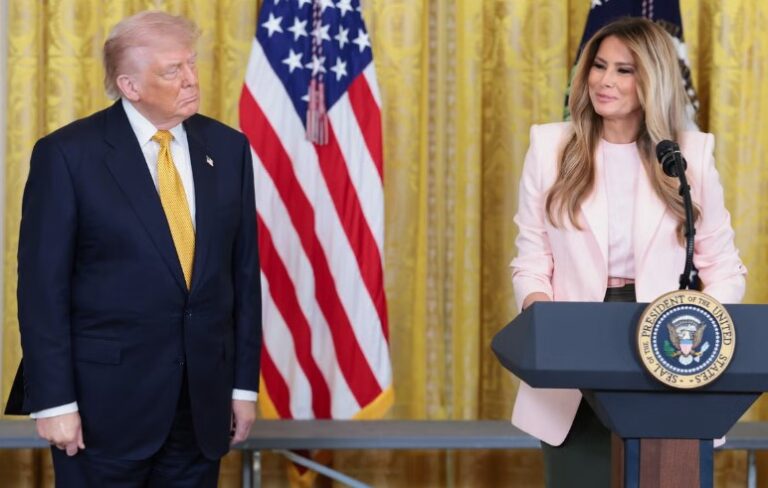
US military draft system is switching to automatic registration
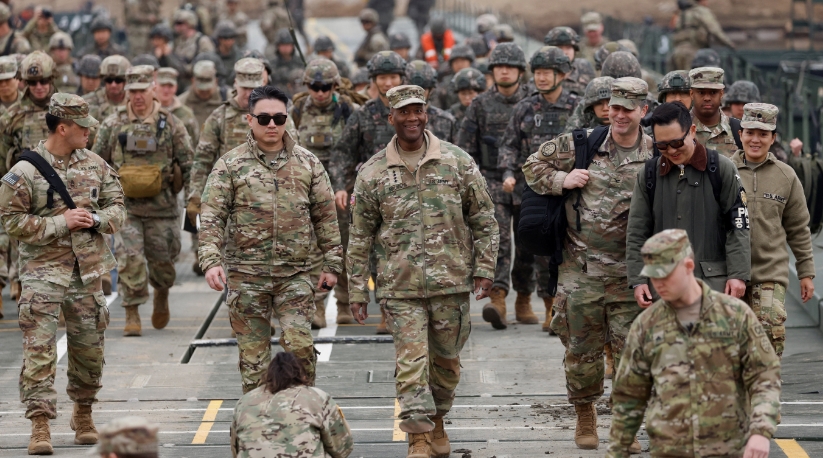
US military draft system is switching to automatic registration – Although it hasn’t been used since the Vietnam War, the concept of a draft has lingered in the United States for many years. The way the system functions is now subtly changing due to a major change. One of the most significant changes to the Selective Service System in more than 40 years will occur when the United States switches from a self-registration model to automatic enrollment for draft eligibility starting in December 2026. This modification does not imply that a draft will be released tomorrow. However, it does indicate a modernization of the government’s readiness for one—just in case.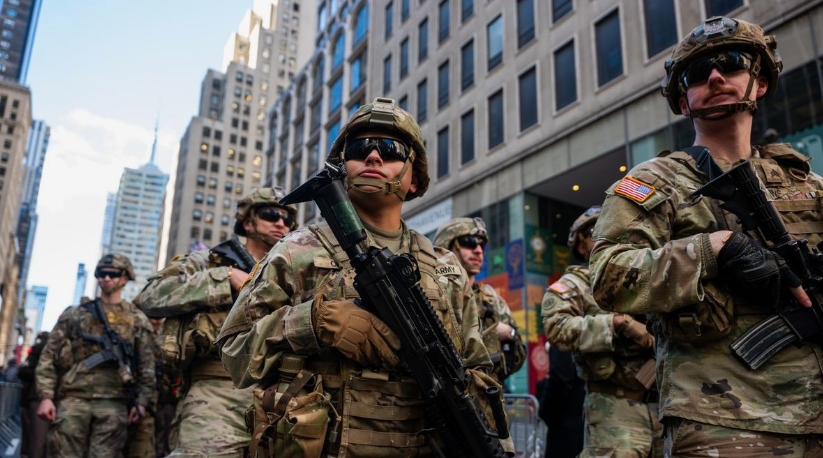
A System That Persisted
It’s critical to acknowledge that the draft system never really disappeared in order to appreciate the significance of this change. The Selective Service System has continued to operate in the background, discreetly keeping a database of people who might be called upon in a national emergency, despite the United States’ reliance on an all-volunteer armed force since 1973.
Almost all men between the ages of 18 and 25 must register within 30 days of turning 18 under current legislation. Serious repercussions, including as fines, possible jail time, and loss of access to federal services like student loans or government positions, may result from failing to comply. To put it another way, the duty has always existed. The way that duty is carried out is currently evolving.
From Accountability to Automation
The new policy’s simplicity—people won’t have to do anything to register—is its most notable feature. The government will take care of it instead. The 2026 National Defense Authorization Act, which was enacted in late 2025, required this change. Instead than depending on young males to register themselves, it instructs the Selective Service System to automatically register eligible people using already-existing federal data, such as Social Security records.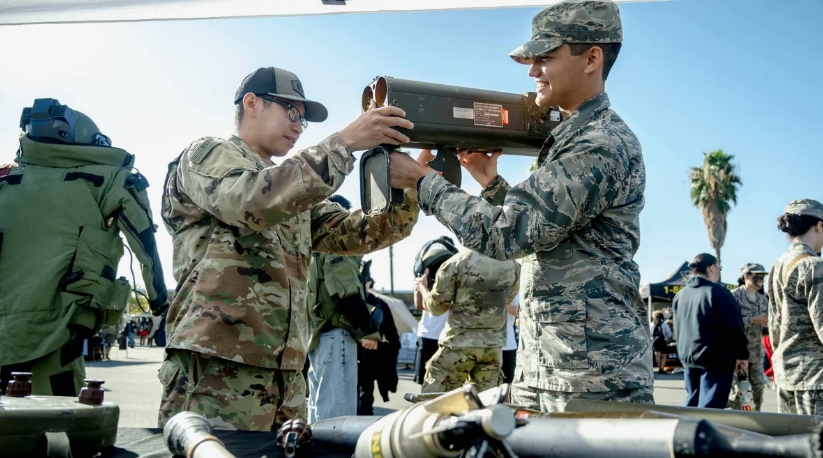
Practically speaking, this means that a person’s data will already be recorded and put to the system when they reach eighteen. No paperwork, no due dates, and no chance of forgetting. The objective is simple: cut administrative expenses and close registration gaps. The government has been spending money encouraging individuals to enroll for years. It just makes sure they already are.
Why Right Now? Reduced Enrollment and Efficiency Issues
A consistent drop in registration rates is one of the main causes of this shift. Even while some states register people automatically when they apply for driver’s licenses, not everyone is able to use those systems. This has led to irregularities over time and left some eligible people unregistered.
Policymakers hope to completely close that gap by switching to automatic enrollment. It also represents a more general trend in governance, which is the use of data integration to expedite formerly manual and error-prone procedures.
There is a financial component as well. It has always taken time and money to maintain outreach programs, process forms, and enforce compliance. Automation guarantees almost universal coverage while lessening that strain.
Crucial Differentiation: Registration Is Not a Draft
What this adjustment does not do may be its most misinterpreted feature. Those who register automatically are not automatically recruited into the military. It does not indicate that conscription will soon resume. Furthermore, it does not grant the government additional authority to enlist people. A separate act of Congress and presidential approval would still be necessary to activate a draft under this new arrangement. This is an important distinction. The decision to draft is not altered by the new policy; rather, it modifies the preparatory process.
An Uncertainty-Based System
So why update and maintain a system that hasn’t been in use for more over 50 years? . Uncertainty holds the key to the solution. Future confrontations are uncertain, according to military experts. Even while the United States now depends on volunteers, a protracted or large-scale conflict would make recruitment difficult and necessitate more personnel. US military draft system is switching to automatic registration
That attitude has only been strengthened by recent international conflicts. Officials stress the need to be prepared for any eventuality, even though they have said there are no plans to revive the draft at this time. In that case, automatic registration is about readiness rather than quick action.
Social and Legal Consequences
Interesting legal and social issues are also brought up by the new system. For starters, it successfully eliminates the potential for “non-compliance” brought on by forgetfulness or ignorance. People can no longer be punished for inaction if the government is in charge of registration.
However, the policy still exclusively applies to men. Women are still not compelled to register under existing legislation, despite continuous discussions about gender equality in military service.
The question of whether the system should be expanded or reformed more widely has been brought up again as a result. Some contend that if the draft system is in place, it ought to represent contemporary perspectives on equality. Others think that in an age of sophisticated technology and professional armed forces, the entire idea of selective service should be reexamined.
Public Reaction: Anxiety vs. Indifference
There has been a mixed reaction from the public to the shift. Many see the change as a sensible update, more of an administrative adjustment than a significant change in policy. After all, registration was previously required; it is now merely automatic.
Others, however, feel uneasy about the change. Particularly in the US, where it is strongly linked to the Vietnam War and popular protest, the term “draft” has historical significance.
Even a procedural change can feel meaningful in the current environment, where international tensions can easily escalate. While some see it as long-overdue modernization, others see it as an indication that the government is getting ready for a more uncertain future.
The Bigger Picture: Tradition and Technology Collide
In the end, the shift to automatic registration is a reflection of a larger change in the way governments function. A century-old framework is updated for the digital era with a combination of modern technologies and outdated systems. US military draft system is switching to automatic registration
In order to effectively manage military conscription during World War I, the Selective Service System was established in 1917. More than a century later, automation, data integration, and contemporary administrative thought are reshaping it.
A Silent but Important Change
Although the switch to automatic registration might not make headlines for very long, its importance shouldn’t be disregarded. It signifies a significant shift in the way the U.S. government handles one of its most delicate duties: being ready for potential conflict.
The process won’t be evident to young Americans who turn 18 after December 2026. There won’t be any paperwork to complete or prompts to pay attention to. Whether they realize it or not, they will just be a part of the system. Perhaps the most distinctive aspect of this shift is that it turns something that was once procedural and personal into something automatic and seamless. A subtle change having long-term effects. US military draft system is switching to automatic registration
About the Author