Wall Street futures climb on relief from US-Iran ceasefire – A wave of optimism that had been absent for weeks awoke on Wall Street. The announcement of a temporary truce between the United States and Iran caused an immediate and significant reaction across the world’s financial markets following days of escalating geopolitical tension, steep jumps in oil prices, and shaky investor confidence. A robust start on Wall Street and a general sense of relief among investors who had been preparing for the worst were both indicated by the steep increase in U.S. stock futures.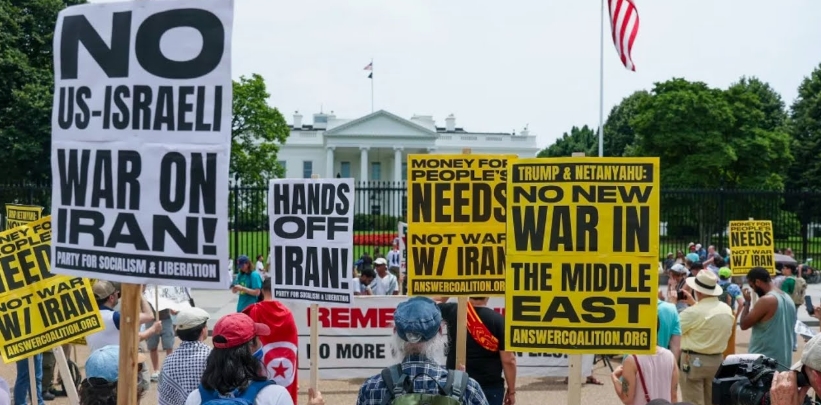
The ceasefire, which was supposed to continue for two weeks, came at a crucial time. Because the crisis threatened to disrupt global oil supply, especially through the strategically important Strait of Hormuz, markets had been tense. Much of the world’s oil supplies run through this tiny route, and a protracted closure would have had a devastating effect on the international economy. Investors promptly adjusted their expectations, pricing in lower risk and better supply stability as the accord included steps toward reopening the strait.
Futures linked to the Dow Jones Industrial Average increased by almost 2% in premarket trade, and the S&P 500 and Nasdaq 100 both saw significant increases. The rise was headed by technology equities, which often do well in lower-risk conditions; wider indices trailed closely behind. The swift upward rise was indicative of what analysts frequently refer to as a “relief rally,” which is a quick recovery driven more by the alleviation of immediate concerns than by better fundamentals.
Oil was at the center of this market response. Following the news of the truce, crude prices, which had risen above $100 per barrel due to concerns about supply interruption, fell sharply. The benchmarks for U.S. and Brent crude fell by between 13% to 16%, which was one of the biggest one-day drops in recent memory.
The abrupt decline in oil prices served as a pressure valve for international markets. Reduced energy costs boost consumer disposable income, lessen inflationary pressures, and lower input costs for enterprises. Investors see it as an indication of a better economic climate, where central banks might not have to maintain high interest rates for as long. In fact, futures markets started to show an increasing expectation that the Federal Reserve may lower rates later in the year, which went against earlier predictions of a protracted tightening.
The United States was not the only country where sentiment changed. Major indices reported increases of 4% to 7% as equity markets in Europe and Asia rose simultaneously. This coordinated rally demonstrated how intertwined the world’s markets have become and how a single geopolitical event may have an immediate impact on continents.
But not every area profited equally from the unexpected confidence. As crude prices plummeted, energy companies that had benefited from windfall gains during the oil price increase suffered steep reductions. As investors reevaluated profit expectations in a lower-price environment, major oil companies suffered a decline in their shares. On the other hand, industries that are sensitive to gasoline prices, including airlines and travel agencies, saw significant increases due to the possibility of lower fuel prices and more customer mobility.
This disparity draws attention to a crucial aspect of financial markets: changes in macroeconomic circumstances frequently produce winners and losers at the same time. Underlying sector rotations show a more complex picture of where investors perceive opportunity—and risk—even though the overall market may rise.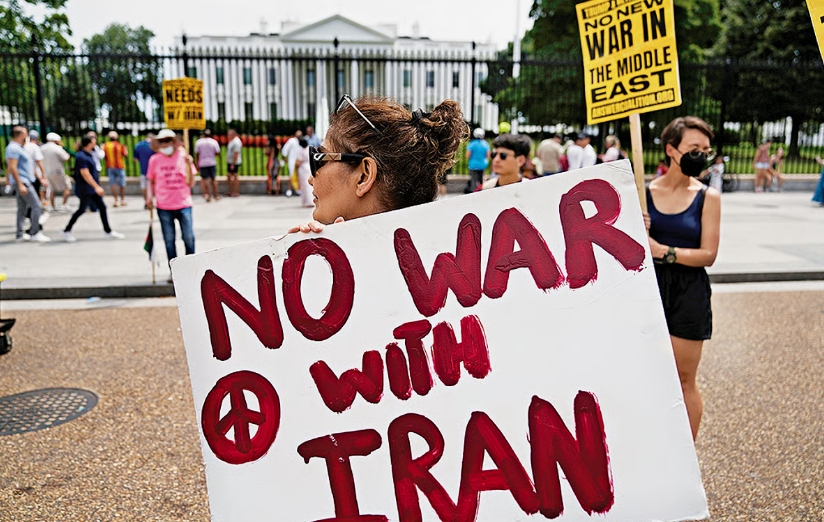
The ceasefire had an impact on other asset types in addition to stocks and commodities. The U.S. dollar marginally declined as global risk appetite improved, while U.S. Treasury yields somewhat decreased due to a decline in the demand for safe-haven assets. Assets like gold and cryptocurrency, on the other hand, displayed conflicting responses, stuck between waning panic and persistent uncertainty.
Even while the markets are celebrating, there is still a hint of caution. The temporary and conditional nature of the truce is quickly noted by analysts. Instead of a final settlement, it signifies a respite in hostilities. With important problems including long-term energy stability, regional security, and sanctions relief remaining unresolved, negotiations are anticipated to continue.
This ambiguity is crucial. Headlines have a significant impact on financial markets, particularly when geopolitical dangers are involved. If hostilities reappear, the same factors that propelled stocks higher upon the announcement of a truce might just as easily reverse direction. In many respects, investors are speculating on hope—hope that supply chains will stabilize, that diplomacy will succeed, and that another significant shock to the world economy won’t occur. Wall Street futures climb on relief from US-Iran ceasefire
The overall economic context is another crucial element. Markets had already been battling worries about inflation, interest rates, and weakening GDP before the truce. The U.S.-Iranian confrontation increased volatility and clouded the picture by adding another level of complication. Investors now have a chance to return their attention to economic fundamentals, such as impending inflation data and corporate earnings reports, as tensions have temporarily subsided.
However, the picture is not quite clear even here. Although decreasing oil prices are generally a good thing, they also reveal underlying concerns about geopolitical stability and demand. Furthermore, it can take some time to completely recover from the harm inflicted by weeks of fighting, including damaged supply chains, decreased output, and higher risk premiums.
The current state of the market might be characterized as fragile optimism in many respects. Although an immediate threat has been lifted by the truce, the underlying risks remain. Risk assets are being cautiously re-entered by investors, but they are nonetheless alert and prepared to change their positions at the first hint of disaster. Wall Street futures climb on relief from US-Iran ceasefire
The way futures markets behave may best illustrate this difficult balance. The dramatic increase in stock futures indicates short-term confidence, but it does not ensure long-term benefits. A lot will rely on how things develop over the next several days and weeks, including whether the ceasefire is maintained, whether talks move forward, and whether general economic conditions continue to be favorable.
But for the time being, Wall Street is feeling relieved. The possibility of a de-escalation has given investor confidence a much-needed boost after weeks of anxiety and uncertainty. The markets have reacted quickly, welcoming the prospect of stability and expansion.
However, geopolitical peace can be ephemeral, as history has seen. Navigating this unpredictable environment and striking a balance between opportunity and risk as well as optimism and caution will be difficult for investors. Although a protest was spurred by the truce, the future is still uncertain. Wall Street futures climb on relief from US-Iran ceasefire
About the Author