Iranian president in letter says Iran doesn’t pose a threat to US – At a time when headlines are dominated by violence, terror, and increasing vitriol, a different kind of message quietly emerged from Tehran. In a rare and deeply personal gesture, Masoud Pezeshkian, the president of Iran, addressed not a government, but the people of United States directly. His letter, issued publicly, aims to challenge long-standing narratives and gives a perspective that contrasts dramatically with the ongoing war mood. Iranian president in letter says Iran doesn’t pose a threat to US
A Direct Appeal to the American People
Rather than engaging in usual diplomatic channels, Pezeshkian preferred a more human approach—speaking directly to average Americans. This decision itself is noteworthy. It represents an understanding that political differences often overshadow the shared humanity of nations.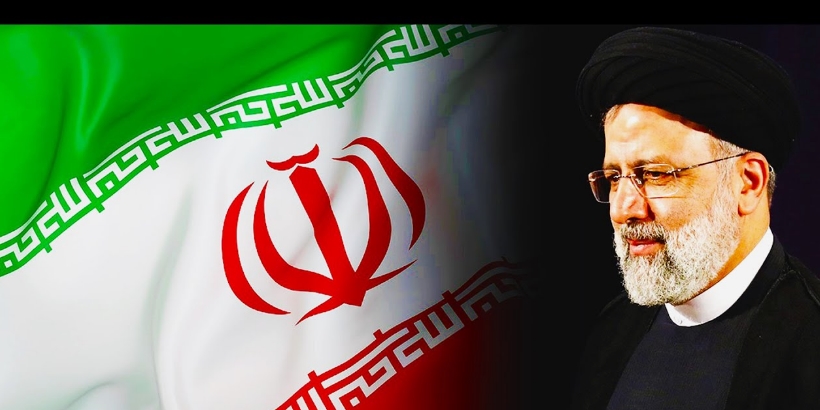
In his letter, the Iranian president underscored a crucial message: Iran does not consider the American people its enemy. He emphasized explicitly that Iranians “harbor no enmity toward other nations,” including Americans, Europeans, or neighboring countries.
This contrast between governments and citizens is fundamental. Pezeshkian aimed to isolate political conflict from human ties, saying that antagonism between governments does not necessarily reflect the feelings of their people. It’s a reminder that beyond the layers of geopolitics, there are millions of individuals who share similar hopes—security, stability, and a brighter future.
Challenging the “Threat” Narrative
One of the most startling parts of the letter is its rejection of a commonly held view in Western political discourse: that Iran poses a direct threat to the United States. Pezeshkian criticized this perspective as fundamentally wrong, stating that it does not accord with either historical reality or present-day facts.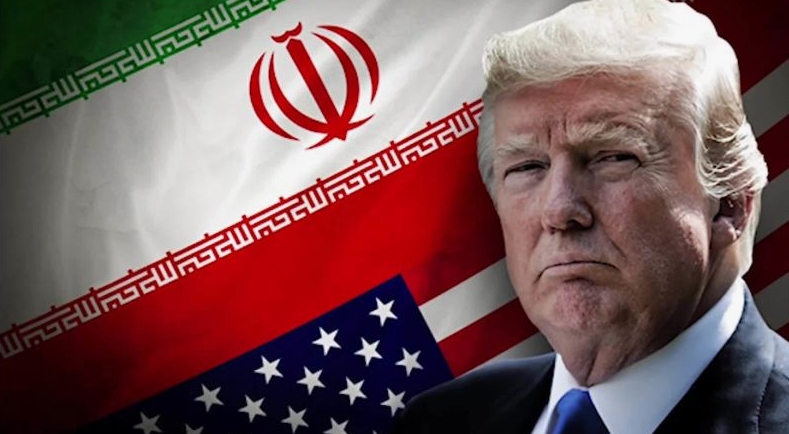
He went further, arguing that the image of Iran as a threat is not accidental, but created. According to him, powerful political and economic interests often gain from the existence of a “enemy.” In such a system, he claimed, threats may be exaggerated—or even invented—to justify military spending, retain global dominance, and control key markets.
This claim presents a broader critique of global politics. It urges readers to evaluate not only the narrative around Iran but also how and why certain geopolitical issues are portrayed the way they are. Whether one agrees or not, the argument demonstrates a fundamental cynicism toward power systems that impact world perception.
Iran’s Claim of Defensive Posture
Another crucial aspect in the letter is Iran’s characterization of its activities as defensive rather than offensive. Pezeshkian argued that Iran has not historically attempted expansion, colonization, or control, adding that its current activities are rooted in “legitimate self-defense.”
This framing is particularly crucial in the context of the ongoing war between Iran and the United States. While Washington has defended its activities as necessary for security, Tehran presents a quite different narrative—one in which it is responding to external aggression rather than starting it.
The truth, as often in international wars, presumably lies in a complex and contentious middle ground. But Pezeshkian’s message shows how differently each side sees the same events, emphasizing the challenge of developing mutual understanding.
A Question to Americans: Whose Interests Are Being Served?
Perhaps the most controversial portion of the letter is the question it poses directly to the American public: What interests are genuinely being served by this war?. This question is not only rhetorical—it is strategic. By raising suspicions about the objectives underlying the battle, Pezeshkian aims to move the focus from national security to political accountability. He asks Americans to critically scrutinize their government’s actions and determine if the conflict aligns with their own interests and ideals.
It’s a daring effort, one that attempts to engage individuals in a broader conversation about foreign policy, power, and the cost of prolonged combat. In doing so, the letter converts from a diplomatic statement into a political appeal.
The Broader Context: War and Escalation
The timing of the letter is no coincidence. It comes amid increasing military escalation between Iran and the United States, with both sides exchanging threats and excuses.
While American leadership has painted Iran as a dangerous adversary requiring immediate action, Iran’s leadership is striving to counter that narrative with a message of restraint and misunderstanding. This battle of narratives indicates a deeper issue: the absence of a shared reality.
In such an atmosphere, communication becomes as much a battleground as physical land. Every comment, speech, or letter is part of a bigger fight to mold world thought and impact public perception. Iranian president in letter says Iran doesn’t pose a threat to US
A Call for Engagement Over Confrontation
Despite the tension, Pezeshkian’s letter carries an underlying message of possibility. He says that the future is not predetermined and that both confrontation and engagement remain viable possibilities.
He cautions that continued fighting will only lead to more instability, human suffering, and long-term ramifications for both nations and the wider world. Conversely, adopting discussion could open the door to a different outcome—one defined by cooperation rather than conflict.
This dual framing—danger against opportunity—adds a feeling of urgency to his argument. It’s not just a statement of position; it’s a demand to reevaluate the direction in which both countries are traveling. Iranian president in letter says Iran doesn’t pose a threat to US
Skepticism and Strategic Messaging
Of course, not everyone reads the letter at face value. Some observers think that it may act as a sort of strategic communication, aimed at influencing international opinion or defining the next phase of the conflict.
Such distrust is not surprising. In times of conflict, every letter is analyzed for hidden agendas. Yet even if the letter serves many functions, its tone and content nevertheless offer insight into how Iran wants to be perceived—and how it desires to frame the conflict.
Humanizing a Geopolitical Rival
Perhaps the most essential feature of the letter is its attempt to humanize a relationship that has long been defined by antagonism. By addressing average Americans directly, Pezeshkian moves the focus from governments to individuals, from strategy to common humanity.
It’s a slight but powerful adjustment. Instead of fostering divide, the letter seeks common ground—acknowledging that beyond politics, there are individuals on both sides who are touched by actions made far above them. Iranian president in letter says Iran doesn’t pose a threat to US
Conclusion: Words in the Shadow of War
In the end, the impact of Pezeshkian’s letter remains undetermined. Words alone rarely influence the path of geopolitics, especially in the midst of actual combat. Yet they can impact perception, inspire debate, and open the door—however slightly—to new possibilities.
The letter acts as a reminder that even in times of war, discourse has not fully disappeared. Whether it leads to genuine change or is eclipsed by ongoing escalation will depend on what follows next. For now, it remains a striking moment: a message of reassurance, skepticism, and cautious hope, transmitted across one of the world’s most lasting divides. Iranian president in letter says Iran doesn’t pose a threat to US
About the Author