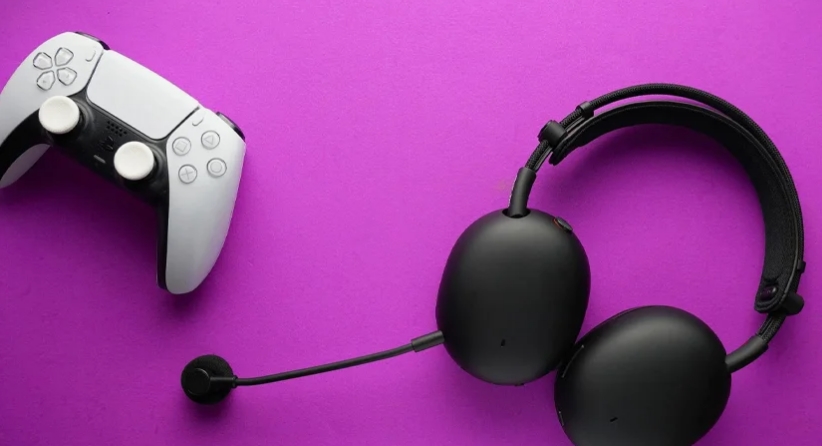
Sony’s new open-back gaming headset could be a budget surprise – When you hear the name Sony, you probably think of premium audio gear, cutting-edge gaming devices, and sleek industrial design. From the legendary PlayStation 5 to its high-end WH-series headphones, Sony has traditionally positioned itself at the upper end of the consumer electronics spectrum. But its latest entrance into the gaming headset industry may suggest something different—a shift toward delivering high-quality audio at a more accessible price point. And unexpectedly, the highlight feature isn’t dazzling RGB lighting or over-the-top bass—it’s an open-back design.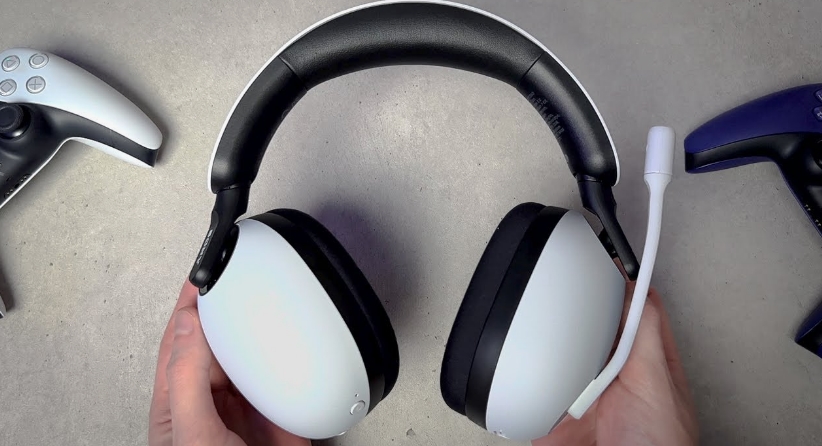
A Rare Move Into Open-Back Gaming Audio
Open-back headsets are not technically new, but they are somewhat rare in the gaming space—especially in the cheap category. Unlike standard closed-back headsets that protect your ears and isolate sound, open-back versions allow air and sound to pass through the ear cups. This results in a more natural, spacious audio experience, typically described as “wide” or “airy.”
Sony’s decision to put this design concept into a gaming headset aimed at a broader audience is both audacious and strategic. Open-back headphones are often associated with audiophiles and studio pros, not casual gamers. By providing this capability at a possibly lower price point, Sony could be bridging the gap between high-fidelity audio and everyday gameplay.
Why Open-Back Matters for Gamers
The appeal of open-back audio goes beyond just sound quality—it profoundly transforms how you experience a game. In competitive titles, such as first-person shooters, spatial awareness is crucial. Being able to properly locate footfall, gunfire, or environmental clues can spell the difference between success and failure.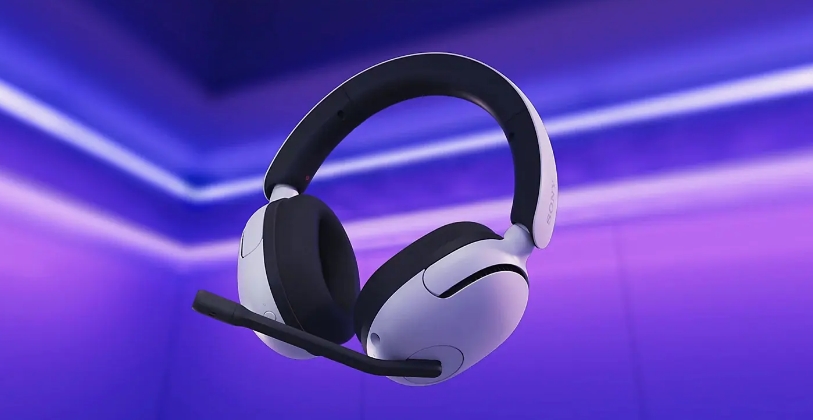
Sony’s latest headgear looks to lean heavily into this advantage. The open-back design increases the soundstage, making it easier to determine direction and distance. Instead of feeling like audio is coming from inside your head, it feels as though it exists in the space around you. For deep, story-driven games, this produces a more cinematic and lifelike experience.
However, there’s a trade-off. Open-back headsets leak sound both ways—you can hear your surroundings, and others can hear what you’re listening to. This makes them less appropriate for noisy workplaces or shared spaces. Still, for gamers who play in quiet environments, the benefits might far exceed the drawbacks.
A Budget-Friendly Strategy?
Perhaps the most exciting part of this release is its supposed price. Sony has a reputation for high pricing, but this headset could break that tendency. If the business can to combine great build quality, consistent performance, and open-back acoustics at a lower price tier, it might challenge a market dominated by names like SteelSeries, Razer, and HyperX.
This technique makes sense in today’s competitive landscape. Gaming peripherals are no longer niche products—they’re mainstream. Millions of players around the world are looking for gear that enhances their experience without breaking the wallet. By targeting this sector, Sony isn’t simply selling a product—it’s building its ecosystem.
Design: Comfort Meets Functionality
Early observations imply that Sony has concentrated considerably on comfort. Open-back headsets tend to be lighter and more breathable than their closed-back competitors, and this model appears to follow that tendency. The ear cups are likely constructed with soft, breathable materials to avoid heat accumulation during long game sessions.
The headband design also seems to prioritize weight distribution, alleviating pressure on the top of the head. This is vital for gamers who spend hours absorbed in gameplay. A headset can have excellent sound quality, but if it’s uncomfortable, it simply won’t be utilized.
Aesthetically, Sony looks to be keeping things modest. Rather than showy lighting or aggressive styling, the headset focuses toward a clean, minimalist look—something that accords with Sony’s larger design philosophy. This could appeal to players who value nuance over spectacle.
Audio Performance: Balancing Clarity and Depth
Sony’s ability in audio engineering is one of its finest strengths, and it’s likely to show here. While inexpensive headsets sometimes stress exaggerated bass to produce a “gaming” experience, Sony is more likely to go for a balanced sound profile.
This means clean mids for speech, precise highs for environmental details, and controlled bass that doesn’t overshadow the rest of the mix. For gamers, this balance is vital. It guarantees that no single element dominates the auditory landscape, providing for a more accurate and immersive experience.
Additionally, Sony may include its unique audio technologies, perhaps increasing virtual surround sound capabilities. While true open-back designs currently offer great spatial clues, software upgrades could further refine directional accuracy.
Microphone Quality: Communication Without Compromise
In multiplayer gaming, communication is equally as vital as audio playback. A great headset must deliver clear, reliable audio communication. Sony’s new offering is expected to contain a high-quality microphone, maybe with noise-canceling functions to limit background interference. Sony’s new open-back gaming headset could be a budget surprise
The microphone design might be removable or retractable, giving flexibility for customers who wish to switch between gaming and casual listening. This versatility is increasingly significant, as many gamers utilize a single headset for several purposes—gaming, streaming, and even remote work.
Compatibility and Ecosystem Integration
One of Sony’s primary advantages is its ecosystem. Naturally, this headset is supposed to operate perfectly with the PlayStation 5, but its attractiveness doesn’t stop there. Cross-platform compatibility with PCs and possibly mobile devices would make it a more adaptable solution.
If Sony includes features like configurable audio profiles or system-level upgrades, it might further separate the headset from competition. Ease of use is another factor—plug-and-play functionality can make a major difference for customers who don’t want to deal with complicated configurations.
Potential Impact on the Market
If Sony gets the pricing and performance mix perfect, this headset might shake up the cheap gaming audio industry. Open-back designs are still quite esoteric, and moving them into a more accessible price range could spur greater acceptance. Sony’s new open-back gaming headset could be a budget surprise
Competitors may be compelled to reassess their strategy, potentially leading to greater innovation and better options for customers. In a market where many items appear iterative, Sony’s approach strikes out as pleasantly new.
Final Thoughts: A Quiet Revolution?
Sony’s new open-back gaming headset might not garner headlines in the same way as a new console or flagship device, but it signifies something as important—a shift in how gaming audio is delivered to the people.
By combining audiophile-inspired design with budget-friendly accessibility, Sony is challenging the concept that high-quality sound must come at a high price. If the finished device lives up to its promise, it might become a go-to pick for gamers seeking immersion, comfort, and value. In a world saturated with closed-back headsets competing on volume and visual flare, Sony’s quieter, more refined approach could be just what the market didn’t realize it needed. Sony’s new open-back gaming headset could be a budget surprise
About the Author