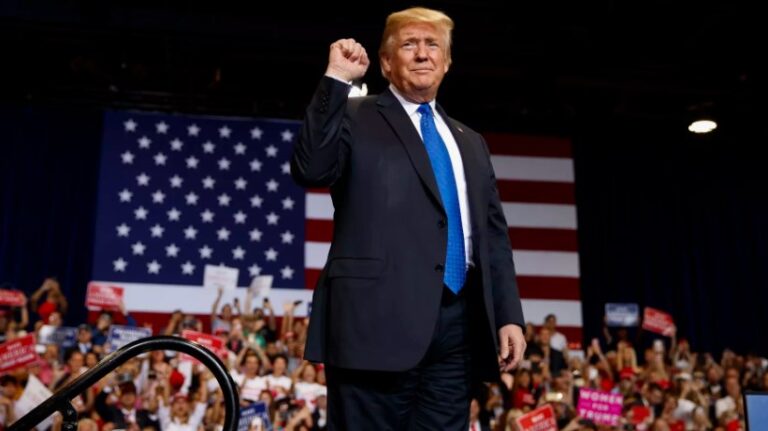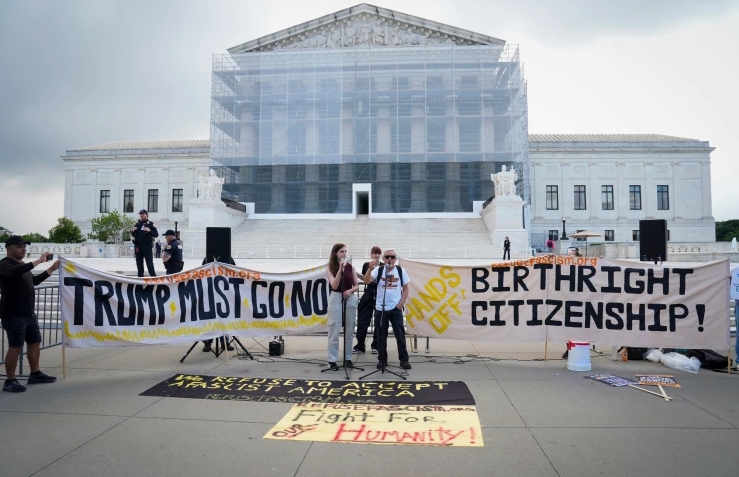
What history reveals about Trump’s move to limit birthright citizenship – The dispute over birthright citizenship in the United States has reappeared frequently throughout centuries, but it took on increased urgency when Donald Trump expressed his determination to limit or redefine it. To grasp the significance of such a move, it’s vital to look beyond present politics and trace the deeper historical origins that established this uniquely American principle. What emerges is a complex story of freedom, exclusion, constitutional interpretation, and the constant effort to determine who belongs.
Birthright citizenship in the U.S. is based in the 14th Amendment to the U.S. Constitution, ratified in 1868 during the Reconstruction era following the Civil War. Its Citizenship Clause famously declares that “all persons born or naturalized in the United States, and subject to the jurisdiction thereof, are citizens.” This seemingly straightforward sentence was anything but accidental—it was crafted in response to one of the most infamous Supreme Court decisions in American history, Dred Scott v. Sandford, which denied citizenship to African Americans, whether enslaved or free.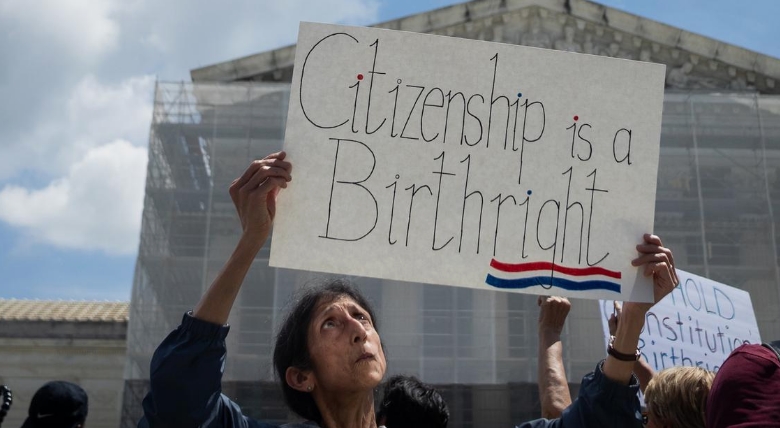
The architects of the 14th Amendment aimed to overturn Dred Scott and assure that newly freed Black Americans would be acknowledged as full citizens. In this sense, birthright citizenship was not only a legal technicality—it was a moral and political statement about equality and inclusion. The premise was simple yet revolutionary: citizenship should not depend on color, genealogy, or social class, but rather on the fact of being born on American territory.
However, history indicates that this idea has never been immune to assault. Throughout the late 19th and early 20th centuries, waves of immigration—particularly from Asia and Southern and Eastern Europe—sparked nativist resistance. Critics complained that granting automatic citizenship to the offspring of immigrants encouraged what they perceived as unwanted demographic trends. These concerns led to court conflicts that tested the reach of the 14th Amendment.
One of the most notable instances was United States v. Wong Kim Ark. Wong Kim Ark was born in San Francisco to Chinese parents who were not eligible for citizenship under exclusionary laws at the time. When he was denied readmission into the U.S. following a vacation overseas, the matter proceeded to the Supreme Court. In a momentous ruling, the Court concluded that he was indeed a U.S. citizen by virtue of his birth on American territory. This verdict affirmed a broad reading of the 14th Amendment and secured birthright citizenship as a constitutional promise.
Despite this precedent, concern over birthright citizenship has remained. In modern times, the discussion has often centered on unlawful immigration. Critics, notably Donald Trump, have contended that the current interpretation incentivizes illegal immigration, with claims—often controversial and disputed—that some persons travel to the U.S. intentionally to give birth so their children will receive citizenship. Supporters of birthright citizenship counter that such tales oversimplify a difficult issue and risk compromising constitutional protections.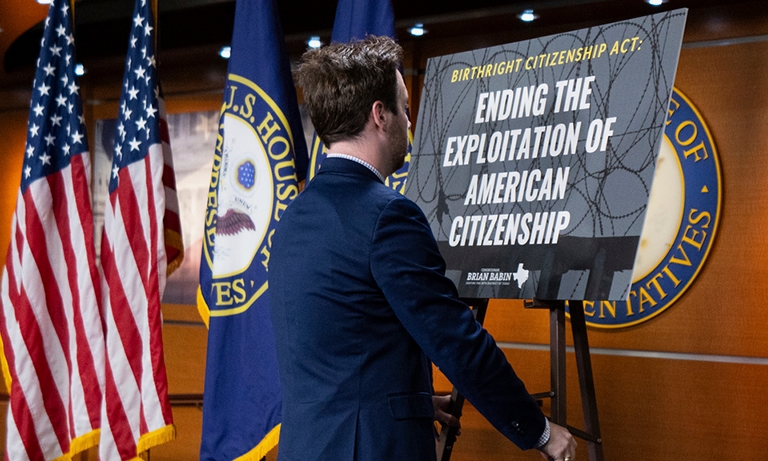
Trump’s proposal to eliminate birthright citizenship—whether through presidential action or legislative change—raised substantial legal problems. Most constitutional scholars argue that the Citizenship Clause cannot be amended without a constitutional amendment. The term “subject to the jurisdiction thereof” has been the focal focus of dispute. Some proponents of limitation believe it excludes offspring of non-citizens, especially those in the nation unlawfully. However, historical interpretations and Supreme Court precedents, including Wong Kim Ark, have generally upheld a broad conception that covers nearly all individuals born on U.S. soil.
Looking back, it seems evident that challenges to birthright citizenship generally correspond with periods of social unease and demographic transition. The late 1800s saw anxieties about Chinese immigration; the early 1900s targeted Southern and Eastern Europeans; and today, much of the focus is on Latin American and other immigrant communities. In each period, same arguments resurface—concerns about cultural identity, economic competition, and national security. What history reveals about Trump’s move to limit birthright citizenship
Yet history also demonstrates that attempts to restrict citizenship have frequently collided with America’s core beliefs. The 14th Amendment itself was a response to exclusion and injustice, trying to create a more inclusive notion of national identity. Limiting birthright citizenship would constitute a substantial break from that goal, potentially creating a class of individuals born in the U.S. but denied full involvement in society.
There are also practical aspects to consider. Countries that do not provide birthright citizenship typically face issues with stateless populations—people who are not recognized as citizens by any nation. The U.S. has largely avoided this issue precisely because of its broad citizenship policy. Changing it could generate additional legal and humanitarian challenges, affecting millions of individuals over time.
Moreover, the global context matters. Birthright citizenship, known as jus soli (“right of the soil”), is somewhat rare among developed nations today, with many countries adopting jus sanguinis (“right of blood”) systems based on parentage. However, the U.S. has historically stepped apart, embracing a more inclusive model related to its character as a nation of immigrants. Altering this premise would not merely be a legal shift—it would reflect a deeper movement in how the country defines itself. What history reveals about Trump’s move to limit birthright citizenship
Ultimately, the history of birthright citizenship is a story of tension between inclusion and exclusion, between the promise of equality and the demands of fear and change. The discussions provoked by Donald Trump are not new, but they bear enormous implications for the future. Whether the U.S. continues to preserve the broad meaning of the 14th Amendment to the U.S. Constitution or moves toward a more limited approach will determine not only immigration policy but also the nation’s essential identity.
In the end, history doesn’t supply easy answers—but it does offer perspective. It reminds us that the ideas entrenched in the Constitution were established in moments of intense strife and aspiration. Any effort to redefine them must cope with that past, assessing not just legal arguments, but the eternal question of what it means to be American. What history reveals about Trump’s move to limit birthright citizenship
About the Author