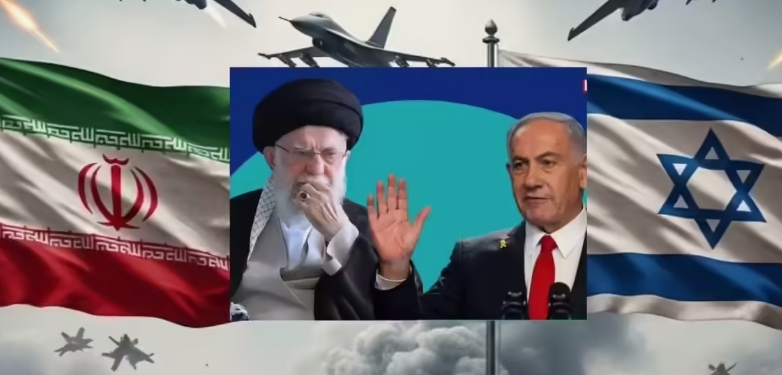
How did Iran respond to the United States ceasefire proposal? – Iran has responded to the recent cease-fire request from the United States in a forceful, critical, and strategically cautious manner. Tehran rejected the proposal as insufficient and unbalanced rather than agreeing to Washington’s demands, although it did indicate that engagement is still an option.
Iran’s willingness to negotiate from a position of strength amid an intensifying regional conflict, its suspicion of U.S. intentions, and its larger geopolitical calculations are all reflected in this complicated response.
A “One-Sided” Proposal
Iran’s rebuttal is centered on its claim that the U.S. ceasefire plan is inherently defective. The American plan, which is said to be a 15-point framework, was called “one-sided and unfair” by Tehran, according to several reports.
Iranian authorities contended that in exchange for ambiguous or inadequate guarantees, the proposal required Tehran to make significant concessions, including restrictions on its military and nuclear capabilities. The offer of sanctions relief in particular was viewed as ambiguous and devoid of legally binding guarantees.
According to Iran, these conditions essentially forced it to compromise its strategic defenses without obtaining any tangible advantages in exchange. The idea was untenable because of this disparity, particularly in light of the continuous military pressure Iran is under.
Official Rejection, But Not Complete Closure
Iran used diplomatic channels to formally communicate its response rather than just voicing its displeasure informally. According to reports, Pakistan served as a go-between, sending Tehran the U.S. proposal and Washington Iran’s response.
Iran’s response was unambiguous: the proposal was rejected in its current form. But diplomacy was not entirely disregarded in tandem with this denial. Rather, Iranian officials stressed that talks might still be feasible—that is, if the US changed its strategy and offered more reasonable conditions.
Iran’s geopolitical orientation is highlighted by this dual message, which rejects the deal while keeping the door open. It refuses to accept what it perceives as unfavorable circumstances while trying to avoid coming out as rigid.
An Initial “Not Positive” Reaction
Early indications of doubt from Tehran preceded the official rejection. Iranian officials stated that their initial response to the U.S. proposal was “not positive,” indicating that they had serious concerns from the start.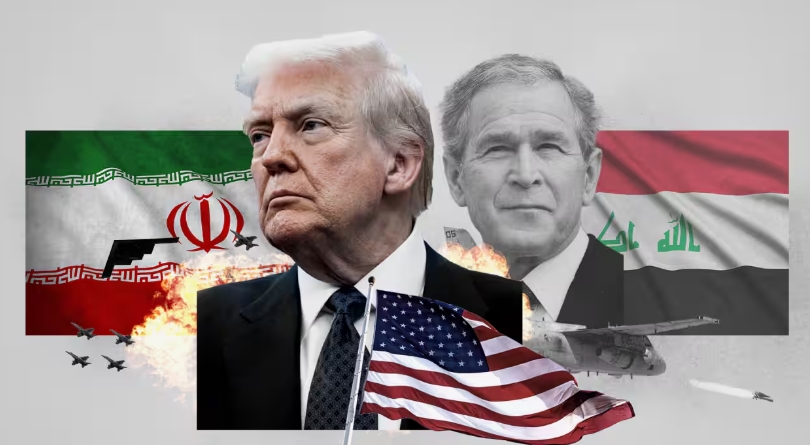
Iran’s overall diplomatic approach is reflected in this circumspect language, which expresses discontent but refrains from making direct declarations until internal discussions are finished. It also emphasizes how unlikely the original version of the proposal was to be successful.
Iran’s Rebuttals
Iran has allegedly presented its own expectations for resolving the problem rather than merely rejecting the U.S. offer. These demands show Tehran’s priorities and diverge greatly from Washington’s framework.
Important aspects of Iran’s stance consist of:
A total cessation of military assaults on Iran
assurances that hostility won’t happen in the future
More tangible and enforceable relief from sanctions
Acknowledgment of Iran’s regional and geopolitical interests, especially its sway over vital regions like the Strait of Hormuz
Notably, there doesn’t seem to be much overlap between Iran’s counter-demands and the U.S. proposal, which makes a rapid agreement improbable.
Refusal to Engage in Stressful Negotiations
Iran’s refusal to engage in negotiations when facing military danger is a recurring issue in its response. Iranian leaders, who see such conditions as coercive rather than diplomatic, have repeatedly declared that negotiations cannot occur while strikes are ongoing.
This position is based on prior encounters. Iranian authorities’ mistrust has been strengthened by the fact that earlier talks with the US did not stop later military operations. Tehran therefore maintains that any substantive talks must come after, not before, a cease-fire.
Domestic Aspects and Strategic Messaging
Iran’s rejection of the ceasefire plan is motivated by both internal political goals and foreign diplomacy. Accepting an unfavorable U.S.-led agreement could be interpreted internally as a display of weakness, particularly in the midst of an ongoing conflict.
Iranian officials have stated that the “aggressor must be punished” rather than rewarded with talks, emphasizing resistance and deterrent. Iran’s refusal to give in to coercion is communicated to both internal and foreign audiences by this discourse, which also serves to strengthen national unity.
Persistent Tensions in the Military and Region
The continuous military escalation must also be taken into consideration while analyzing Iran’s response. Hostilities persisted throughout the region, including missile strikes and multi-actor reprisal measures, despite diplomatic communications being exchanged. A ceasefire is more challenging to accomplish in this setting. There is less motivation to reach a swift solution as each side tries to use armed force to bolster its negotiating position. How did Iran respond to the United States ceasefire proposal
The Mediators’ Function
Third-party nations are aggressively attempting to close the gap notwithstanding the tension. While nations like Turkey and Oman have also participated in mediation attempts, Pakistan has been instrumental in spreading messages.
Since there is still little direct communication between the US and Iran, these middlemen are essential. Even if progress is sluggish, their participation indicates that both parties are at least open to considering indirect diplomacy.
Global Impact and Economic Pressure
Significant global repercussions have resulted from Iran’s rejection of the ceasefire agreement, especially in the energy markets. Fears of protracted instability have caused oil prices to rise, with world benchmarks topping $100 per barrel as a result of the اüge المرار conflict.
An important oil transit route, the Strait of Hormuz, has drawn attention. Global trade and energy supply may be severely impacted by any disruption there, which would increase pressure on other countries to find a solution. How did Iran respond to the United States ceasefire proposal
A “Conditional Diplomacy” Approach
In the end, Iran’s approach might be characterized as “conditional diplomacy.” Tehran is establishing stringent guidelines for engagement rather than categorically rejecting talks. These requirements are intended to guarantee that any contract:
maintains Iran’s strategic capabilities and sovereignty
offers observable financial advantages
contains assurances against future hostilities
Iran is able to escape isolation while retaining leverage because to this strategy. Additionally, if the United States want to proceed, it must amend its proposal.
Conclusion
Iran has responded to the U.S. ceasefire proposal with a combination of deliberate openness, caution, and rejection. Tehran has made it clear that it will not accept terms that it believes to be unbalanced by calling the plan “one-sided and unfair.” However, its readiness to maintain diplomatic ties suggests that a negotiated resolution is still feasible, albeit far off.
The two parties still have very different expectations about what a ceasefire should include. Any accord will involve major concessions from both Washington and Tehran as long as military tensions and mutual mistrust endure. Iran’s message is unambiguous for the time being: peace is achievable, but only under conditions that it deems equitable and reciprocal. How did Iran respond to the United States ceasefire proposal
About the Author