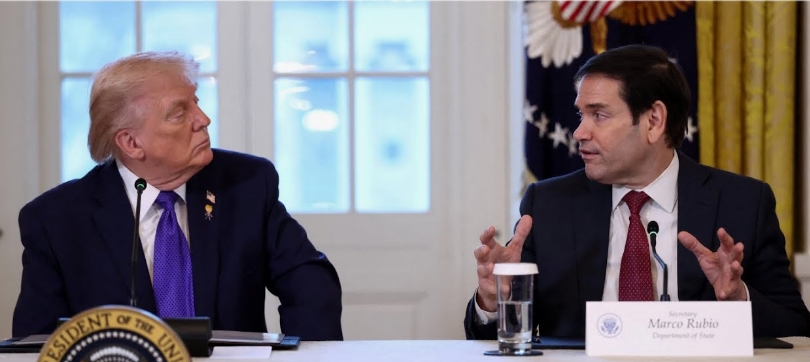
Marco Rubio’s evolution amid a growing Cuba crisis – Marco Rubio’s political career has been closely linked to Cuba for a long time. Rubio, a well-known figure in American foreign affairs and the son of Cuban immigrants, developed his career as a fervent opponent of the communist regime in Havana. However, in the midst of the island’s fast worsening crisis in 2026, his role has changed from that of an ideological hardliner to that of one of the key planners of a high-stakes geopolitical strategy that could permanently alter U.S.-Cuba ties.
From National Strategy to Exile Politics
The Cuban-American exile community in Florida, where hostility to the Castro regime has been a defining issue for generations, served as the foundation for Rubio’s early political identification. He continuously supported upholding—and frequently tightening—the long-standing embargo against Cuba while serving as a U.S. senator. During the Obama administration, he rejected attempts at normalization, claiming that participation would only perpetuate authoritarian rule.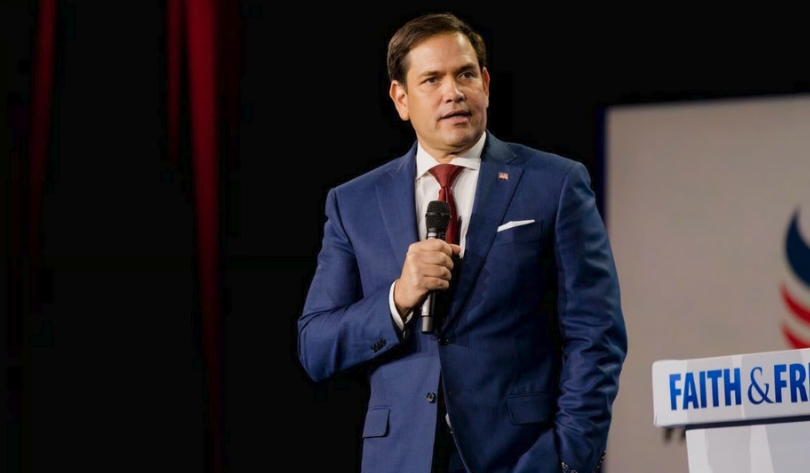
Rubio became known as a “Cuba hawk” because of his unwavering ideology. However, it also put him in a position to play a bigger part when the geopolitical landscape changed. This significant change occurred in 2026 as a result of the United States’ intervention in Venezuela and the fall of a major Havana ally. Cuba’s precarious economy fell into disaster when Venezuelan oil supplies were cut off, giving Washington the opportunity to apply unprecedented pressure.
The Crisis That Modified the Formula
Severe fuel shortages, extensive blackouts, and disruptions to food and medical supply chains characterize Cuba’s protracted crisis. The island is currently experiencing what many refer to as its worst economic crisis in decades as a result of the U.S. decision to impede oil shipments, which is essentially a contemporary blockade.
Rubio’s role has grown considerably in this environment. As Secretary of State under Donald Trump, he is suddenly at the center of policymaking and no longer merely a strident critic. Together, they have pursued a strategy that pushes Cuba toward political reform, possibly even regime change, rather than just containment.
Rubio has made his objectives clear. His assertion that Cuba’s leadership “has to get new people in charge” reflects his conviction that the current system cannot be reformed. In terms of Cuba’s political destiny, this rhetoric emphasizes a change from punitive containment to proactive intervention.
Pressure Architect—and Selective Involvement
The dual character of Rubio’s present approach sets it apart. On the one hand, he has backed strong economic policies, such as strengthening sanctions and limiting gasoline supplies. However, he has supported specific programs aimed at strengthening Cuba’s private sector.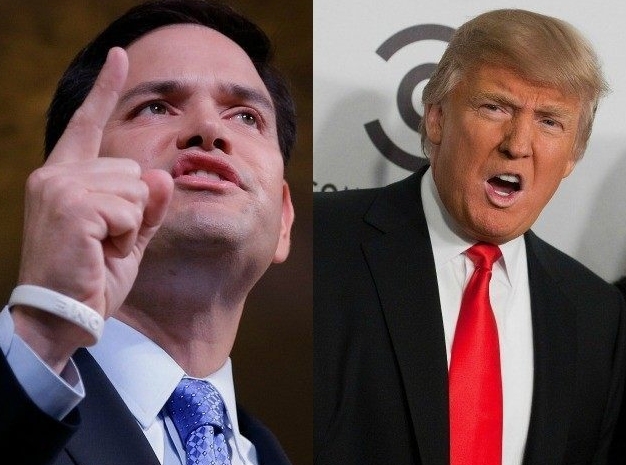
For instance, the United States has started shipping small quantities of petroleum directly to private companies in Cuba, eschewing the government. This tactic seeks to promote alternative economic arrangements while undermining governmental authority.
Compared to Rubio’s previous harsh posture, this combination of pressure and selective collaboration reveals a more nuanced policy framework. The objective seems to be changing Cuba’s internal dynamics—promoting a transition toward market-oriented and possibly democratic institutions without direct military intervention—rather than completely isolating the country.
Diplomacy Behind the Scenes
Rubio’s use of quiet diplomacy is another noteworthy development in his career. According to reports, Rubio and other U.S. officials have had unofficial discussions with prominent Cuban figures, including Raúl Castro’s grandson, Raúl Guillermo Rodríguez Castro.
These behind-the-scenes conversations imply that Rubio’s approach involves both negotiation and coercion. A “managed transition,” in which some members of the current Cuban leadership take part in a slow change rather than an abrupt collapse, might be the goal.
Formal talks between Washington and Havana have started at the same time, and both sides are looking at potential compromises. Despite growing domestic pressure, Cuban President Miguel Díaz-Canel has indicated that he is open to communication.
Debate and Criticism
There has been debate over Rubio’s strategy. The U.S. plan, according to critics, is making the island’s humanitarian crisis worse. Hospitals, transportation, and food distribution systems have all been severely hampered by fuel shortages, causing significant suffering for regular Cubans.
Concerns exist over the wider ramifications of American strategy as well. Some experts are concerned that the campaign for regime change may cause unanticipated effects or destabilize the area. Others wonder if significant political change can be accomplished through economic pressure alone. Marco Rubio’s evolution amid a growing Cuba crisis
Debate is still going on even within the United States. Some politicians urge for lifting sanctions to improve humanitarian situations, while others support a more aggressive approach, including speculative ideas about broader U.S. engagement in Cuba’s governance.
A Crossroads in Politics and Personal Life
Rubio sees the Cuba problem as a test as well as an opportunity. It enables him to convert decades of ideological dedication into concrete policy results. However, it also puts him in the middle of a complicated and unstable position where success is not assured.
Another level of intricacy is introduced by his personal ties to Cuba. Rubio’s position has symbolic significance as a Cuban-American, both among Cubans and in the US. Critics perceive him as an architect of misery, while supporters see him as a champion of freedom.
His political situation has been become more complex by recent events. The wider ramifications of his leadership style have come to light due to his involvement in unrelated situations, such as testifying in a high-profile corruption case involving a former ally. Marco Rubio’s evolution amid a growing Cuba crisis
The Path Ahead
Rubio continues to change as the problem develops. He is now a crucial decision-maker influencing one of the most important foreign policy issues of the day, not merely a partisan voice or ideological supporter.
The result is yet unknown. Cuba’s leadership has proven resilient, and internal changes like modest economic liberalization could change how the crisis develops. In the meantime, foreign players, such as the Vatican, have started looking at mediation initiatives, underscoring the situation’s global implications. Marco Rubio’s evolution amid a growing Cuba crisis
It’s obvious that Rubio will play a pivotal role. A careful balance of pressure, diplomacy, and timing will determine whether his plan results in democratic revolution, protracted instability, or a negotiated agreement.
Conclusion
Marco Rubio’s transformation from a hardliner in the Senate to the main planner of American Cuba policy serves as an example of how dynamic political leadership can be during difficult times. He has adopted a policy that combines deliberate engagement with force in order to take advantage of a historic opportunity to change Cuba’s future.
However, this evolution also poses important questions: Can internal change be genuinely driven by external pressure? And how much does it cost?. Rubio’s legacy is becoming more and more dependent on the resolution of a problem that is both personal and political, just as Cuba is reaching a turning point. Marco Rubio’s evolution amid a growing Cuba crisis
About the Author