Iran’s leader vows revenge as US gas prices rise – Tensions in the Middle East have reached a dangerous new level after Iran’s leadership vowed revenge following deadly strikes linked to the United States and Israel. The conflict has already begun to shake global energy markets, with oil prices surging and gasoline prices climbing in the United States. As military operations expand and Iran threatens retaliation, analysts warn the economic ripple effects could be felt worldwide.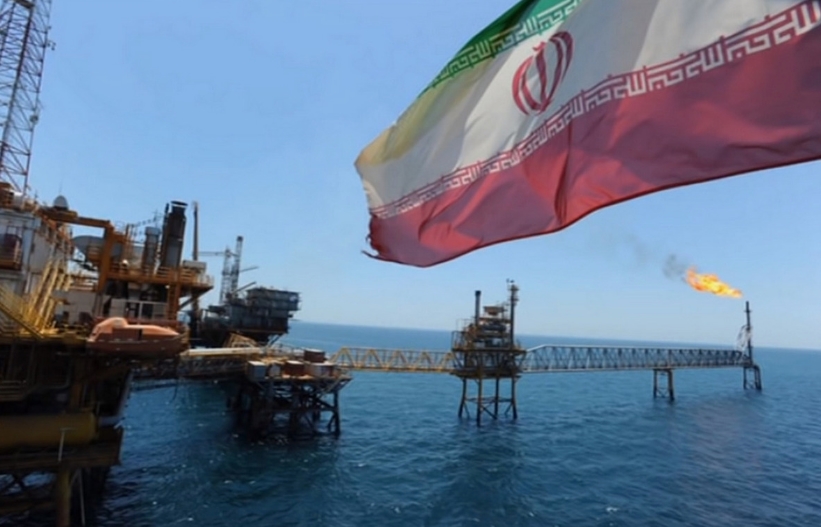
The crisis intensified after the death of Iran’s long-time supreme leader during a large-scale military assault on Iranian territory. In the aftermath, Iran’s new leader, Mojtaba Khamenei, delivered a defiant message promising retaliation against those responsible and pledging to continue the country’s military resistance. His remarks signal that the conflict may be far from over and could potentially escalate into a broader regional war.
A Leadership Change in the Midst of War
Iran’s leadership transition came under dramatic circumstances. According to reports, the previous supreme leader was killed during a joint U.S.–Israeli strike targeting Iranian military infrastructure and leadership. The attack triggered immediate outrage across Iran and galvanized the country’s political and military establishment.
In his first statement after assuming power, Mojtaba Khamenei vowed that Iran would respond forcefully. He pledged to continue confronting the United States and its allies militarily and politically, framing the conflict as a matter of national survival and honor.
Iranian officials also warned that the country would pursue retaliation against American assets across the region, including military bases and strategic infrastructure. The rhetoric from Tehran indicates that Iranian leaders see the conflict not as a short-term clash but as a long struggle that may reshape the balance of power in the Middle East.
For many observers, the transition to a new supreme leader during wartime raises fears of further escalation. Leadership changes often create uncertainty, and hardline voices within Iran’s political establishment may now have greater influence over military strategy.
Strait of Hormuz Becomes a Global Flashpoint
One of the most dramatic developments in the crisis has been Iran’s decision to disrupt traffic through the Strait of Hormuz, a narrow waterway connecting the Persian Gulf to global shipping routes. Roughly one-fifth of the world’s oil supply normally passes through this strategic corridor. Iranian authorities have warned that oil shipments through the region could remain blocked as long as military attacks continue. The threat has already caused widespread disruption to global energy markets.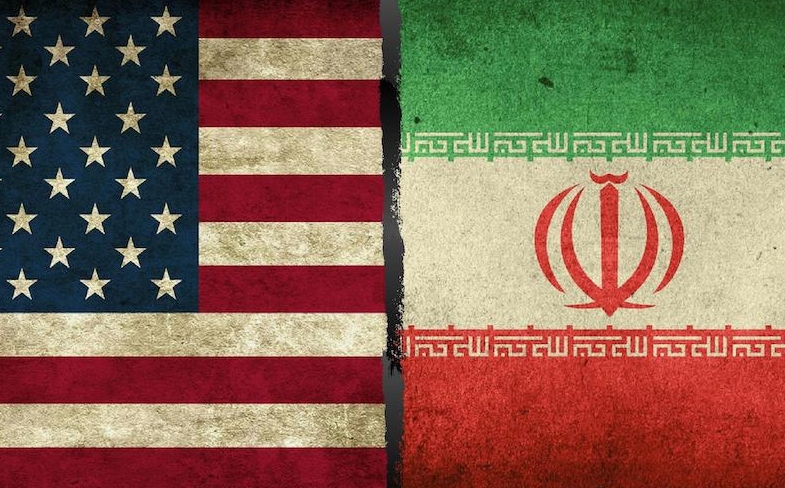
Some Iranian officials have gone further, declaring that not a single drop of oil should leave the Gulf if the bombing campaign continues. This blockade has effectively halted many oil shipments and forced shipping companies to reconsider their routes. Tankers have avoided the area due to security concerns, and several vessels have reportedly been damaged during attacks in the region.
Energy analysts say the Strait of Hormuz crisis could become the most significant disruption to global oil supply in decades. If the blockade continues, it could lead to prolonged shortages and sharp price increases worldwide.
Oil Prices Surge Above $100
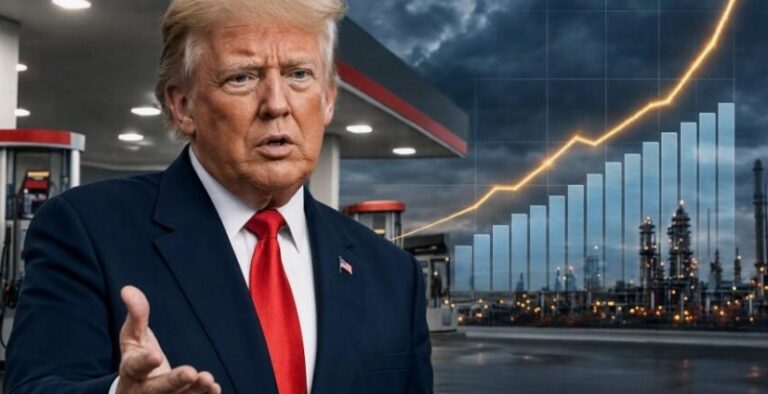
The immediate effect of the conflict has been a dramatic surge in oil prices. Crude oil recently climbed above $100 per barrel, marking the highest level in more than three years. Energy markets are highly sensitive to geopolitical instability, especially when it involves major oil-producing regions. The Middle East remains one of the world’s most important energy hubs, and any disruption there quickly reverberates across global markets.
Traders fear that continued attacks on energy infrastructure—such as refineries, pipelines, and shipping routes—could significantly reduce global supply. Iranian drone strikes on oil facilities in Gulf countries and attacks on shipping have further heightened these concerns. As a result, oil companies and governments worldwide are scrambling to secure alternative supplies. Some countries are considering releasing strategic petroleum reserves to stabilize prices, while others are negotiating with additional oil producers to boost output.
Gasoline Prices Rising in the United States
The surge in global oil prices is already being felt by American drivers. Gasoline prices in the United States have begun to climb, with analysts predicting further increases if the conflict continues. Because crude oil is the primary component used to produce gasoline, any spike in oil prices usually translates directly into higher fuel costs for consumers. Economists warn that prolonged instability in the Middle East could push U.S. gasoline prices significantly higher in the coming weeks.
The political implications are substantial. Fuel prices have long been a sensitive issue in the United States, where voters often view rising gasoline costs as a symbol of economic strain. Polling data suggests many Americans are concerned about the financial impact of the war, with a majority expecting fuel prices to increase in the coming months. At the same time, public opinion about the conflict itself remains divided. Iran’s leader vows revenge as US gas prices rise
Political Pressure in Washington
Rising fuel costs could create new challenges for the U.S. government as the conflict unfolds. Energy prices influence everything from transportation costs to food prices, meaning a sustained increase could drive inflation higher.
Political analysts say the issue may become especially important ahead of upcoming elections in the United States. Historically, spikes in gasoline prices have had a noticeable impact on voter sentiment.
Despite these concerns, U.S. officials have emphasized that national security remains the top priority. Military leaders argue that the operations against Iran are necessary to prevent further threats to American interests and allies in the region. Still, critics warn that the economic consequences of the conflict could be severe if tensions continue to escalate.
Regional Conflict Expands
The confrontation between Iran and its adversaries is no longer confined to a single battlefield. Iranian missiles and drones have reportedly struck targets across the region, including military bases and energy infrastructure in several Gulf countries. Iran’s leader vows revenge as US gas prices rise
At the same time, the United States and Israel have carried out thousands of airstrikes targeting Iranian facilities and military forces. These attacks are part of a broader effort to weaken Iran’s military capabilities and reduce its influence in the Middle East.
The conflict has also drawn in other international players. Several Western nations have increased their military presence in the region, while global organizations have called for an immediate ceasefire.
Humanitarian concerns are also growing. Reports indicate that millions of civilians have been displaced as fighting intensifies, and the destruction of infrastructure has disrupted access to food, water, and electricity in affected areas.
Economic Shockwaves Around the World
Beyond the Middle East and the United States, the conflict is sending shockwaves through the global economy. Financial markets have reacted nervously to the escalating tensions, with stock prices fluctuating as investors weigh the risk of a prolonged war.
Energy-dependent economies in Europe and Asia are particularly vulnerable to rising oil prices. Many countries rely heavily on Middle Eastern energy imports, and disruptions to supply could force them to seek costly alternatives.
Economists warn that if oil prices remain above $100 per barrel for an extended period, the world could face slower economic growth and higher inflation. The crisis has also revived concerns about global energy security, prompting renewed debate about the need for alternative energy sources and diversified supply chains. Iran’s leader vows revenge as US gas prices rise
An Uncertain Path Forward
As the conflict continues, the possibility of further escalation remains high. Iran’s leadership has made it clear that retaliation is inevitable, while the United States and its allies show no signs of backing down. For now, the world is watching closely as military actions, political decisions, and economic forces collide in one of the most volatile regions on Earth.
What began as a targeted strike has quickly evolved into a geopolitical crisis with global consequences—from rising gasoline prices in the United States to fears of a wider war across the Middle East. Whether diplomacy can eventually defuse the situation remains uncertain. But one thing is clear: the conflict between Iran and its adversaries has already reshaped the global energy landscape and could continue to do so for months—or even years—to come. Iran’s leader vows revenge as US gas prices rise
About the Author