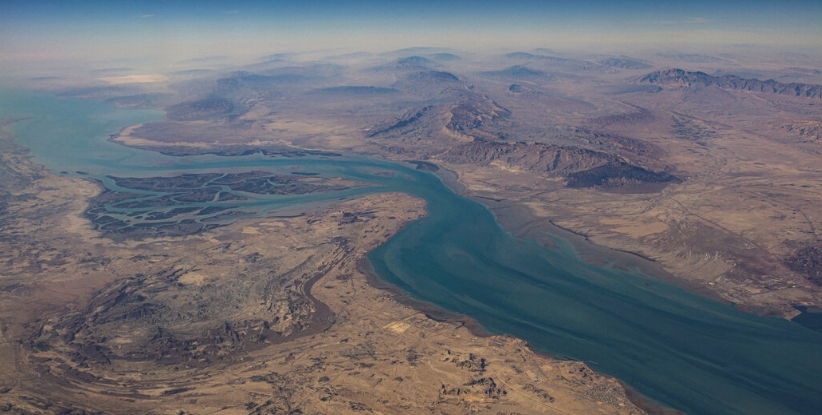
What are sea mines? Why do they matter in the Strait of Hormuz? – The waters of the Persian Gulf have long been one of the most strategically important locations on Earth. At the middle of this geopolitical crossroads is the narrow but essential Strait of Hormuz—a shipping passage through which nearly one-fifth of the world’s oil supply passes each day.
Because of its great economic and strategic importance, any threat to maritime trade in this chokepoint immediately generates global concern. Among the most hazardous and complex dangers to control are sea mines—silent undersea weapons capable of disrupting trade, destroying vessels, and causing international crises.
Understanding Sea Mines
Sea mines are explosive devices put in water to harm or kill ships and submarines. Unlike torpedoes, which actively hunt their targets, mines normally wait passively until a vessel triggers them. Once activated, they can inflict massive hull damage, fires, flooding, or even sink huge ships altogether.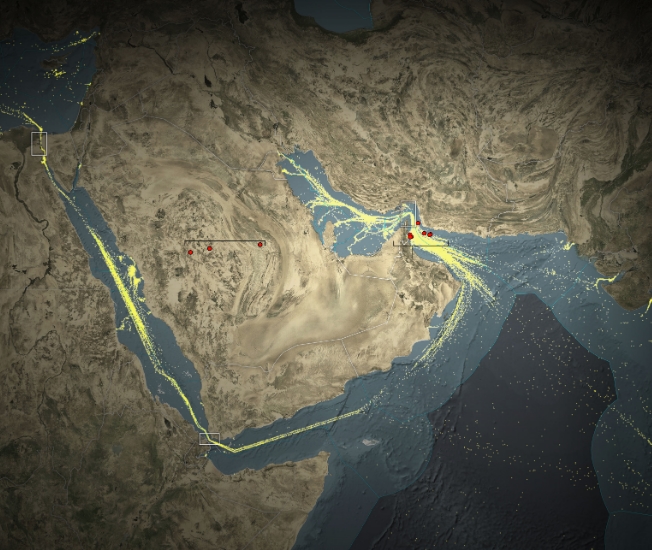
Naval mines are often regarded as the “poor man’s navy” since they are relatively inexpensive compared with ships or missiles, yet they may pose a severe danger to even the most advanced naval forces. A single mine may cost thousands of dollars, but the expense of clearing it—or fixing the damage it causes—can reach into millions. Sea mines occur in various kinds, each designed for unique objectives.
Moored mines are tethered to the seabed yet float below the water’s surface. When a ship passes overhead and contacts the mine or triggers its sensors, the explosion detonates. Drifting mines float freely with currents and tides. Though less exact than other types, they can cause unanticipated threats across vast areas. Bottom mines sit directly on the ocean floor and rely on sensors that detect changes in pressure, sound, or magnetic fields induced by passing ships.
Influence mines are among the most complex. Rather than requiring direct contact, they detonate when a vessel’s acoustic noise, magnetic signature, or water pressure affects the environment surrounding them. Modern mines can even be set to overlook smaller vessels and detonate only when large warships or tankers pass overhead.
A Weapon With a Long History
Sea mines have been employed in naval warfare for millennia. Early forms arose as far back as the 18th century, but they became most prominent during significant battles in the 20th century. During World War I and World War II, naval mines were frequently used to block ports, hamper enemy movements, and protect coasts. Thousands of ships were damaged or sunk by mines during these conflicts.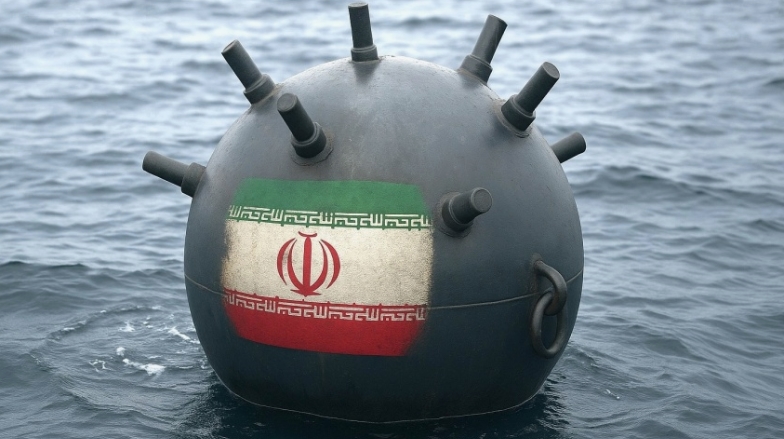
In succeeding decades, mines continued to prove their usefulness. During the Korean War, mines greatly slowed naval operations. In the 1980s, they became a severe threat during the Iran–Iraq War, particularly in the Persian Gulf region.
One major occurrence occurred in 1988 when the U.S. Navy frigate USS Samuel B. Roberts (FFG-58) encountered an Iranian mine in the Gulf. The blow nearly sank the vessel and maimed numerous sailors, proving exactly how lethal mines might be even for advanced warships.
Why the Strait of Hormuz Is So Important
The importance of sea mines becomes increasingly evident when examining the geography of the Strait of Hormuz. The strait connects the Persian Gulf with the Gulf of Oman and ultimately the worldwide ocean. At its narrowest point, the strait is just around 21 miles (34 kilometers) wide. Shipping channels are even narrower—about two miles wide in each direction—leaving little room for maneuvering.
This narrowness renders the area very vulnerable to interruptions. If mines were laid in critical shipping lanes, commercial vessels may be forced to halt or reroute, causing rapid rippling effects across global energy markets. Major oil-producing countries—including Saudi Arabia, United Arab Emirates, Kuwait, Qatar, and Iraq—depend on this route to export crude oil and natural gas. Disruptions here could force energy costs up worldwide.
The Strategic Appeal of Sea Mines
Sea mines are particularly attractive as a strategic weapon in limited waterways like the Strait of Hormuz for various reasons. First, they are generally cheap and easy to deploy. Mines can be deployed by ships, submarines, airplanes, or even small boats. In some circumstances, they can be discreetly put without immediate discovery. What are sea mines
Second, they create psychological and economic pressure. Even the prospect of mines can dissuade shipping corporations from sending vessels through an area. Third, they are difficult and time-consuming to remove. Mine-clearing operations involve specialized ships, divers, underwater drones, and thorough surveying of the seabed. Because of these variables, a small number of mines can generate a huge strategic influence.
Clearing Mines Is Dangerous Work
Removing marine mines is a hard and perilous process. Navies around the world maintain specialized mine countermeasure units trained to find and neutralize these bombs. Ships equipped with sonar search the seafloor to discover suspicious things. Once a suspected mine is detected, remotely operated vehicles or divers may approach it carefully to disarm or destroy it. What are sea mines
The United States Navy and partner troops have long maintained mine-clearing capabilities in the region due to the strategic importance of the Persian Gulf. Despite technical breakthroughs, mine removal remains slow and hazardous. A single minefield can take days or weeks to fully remove.
Modern Naval Strategies
In recent years, naval forces have developed new technology to prevent mine threats. Autonomous underwater vehicles, robotic mine hunters, and improved sonar systems now play a significant role in locating mines. International cooperation is also vital. Countries with major shipping interests regularly coordinate naval patrols and surveillance operations to ensure safe passage across vital waterways. For instance, international security measures in the Gulf try to monitor maritime traffic and respond rapidly to threats.
The Global Impact of a Local Threat
While sea mines may seem like a relatively basic weapon, their potential impact on the global economy is enormous—especially at chokepoints like the Strait of Hormuz. If shipping were considerably affected, oil supply chains may tighten swiftly, leading to price hikes and economic turmoil worldwide. That’s why even suspicions of mines in the region may cause immediate panic among governments, shipping firms, and financial markets. What are sea mines
A Persistent Maritime Risk
Despite developments in naval technology, sea mines remain one of the most effective asymmetric weapons in maritime warfare. Their low cost, ease of deployment, and tremendous potential impact make them a chronic threat in critical waterways.
In locations like the Strait of Hormuz—where global energy flows depend on safe navigation—these underwater explosives carry geopolitical ramifications far beyond the ships that might meet them. As long as global trade relies on tight maritime chokepoints, sea mines will remain a crucial issue in naval strategy and international security. What are sea mines
About the Author