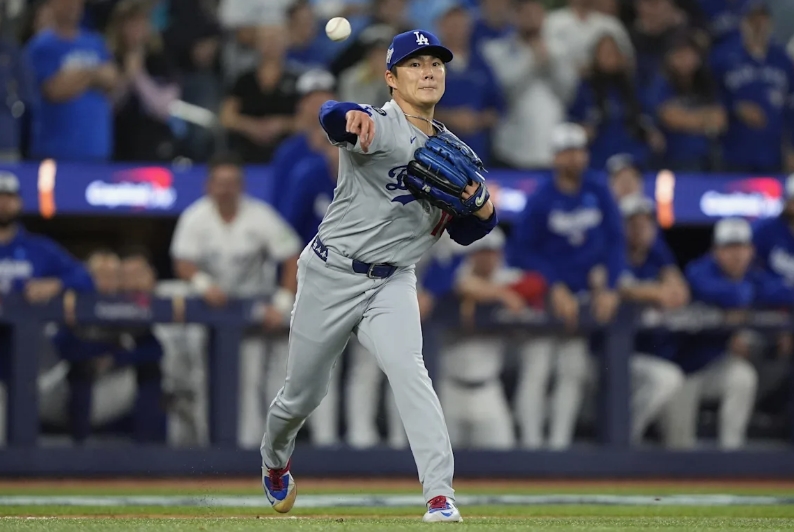
Yoshinobu Yamamoto balances workload for WBC repeat, Dodgers three-peat – High and tight expectations followed Yoshinobu Yamamoto across the Pacific when he made the jump from Nippon Professional Baseball to Major League Baseball. The Japanese ace wasn’t just arriving in the United States as a prized free-agent signing for the Los Angeles Dodgers—he was stepping into a spotlight created by global ambition. Yoshinobu Yamamoto balances workload for WBC repeat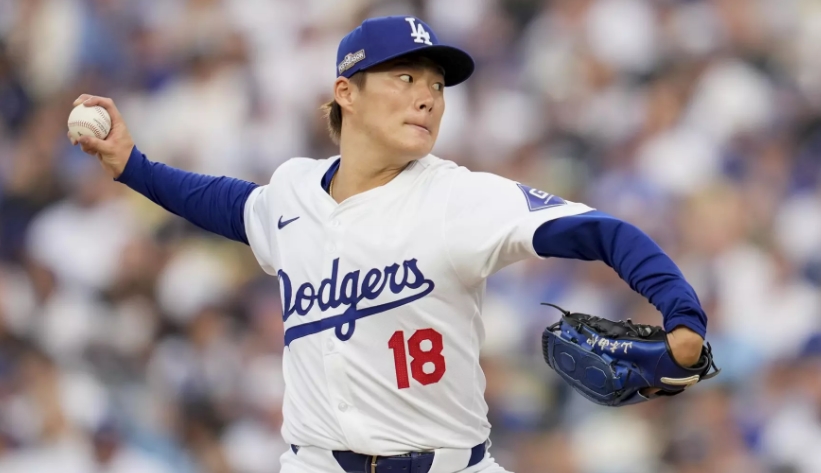
On one side stands the effort to defend Japan’s championship in the World Baseball Classic. On the other is the Dodgers’ quest of an unprecedented third consecutive championship, a three-peat that would cement their current dynasty. Balancing those dueling goals demands more than talent. It needs meticulous planning, discipline, and a maturity that Yamamoto has exhibited throughout his career.
A Unique Challenge in a Global Era
The contemporary baseball calendar is unrelenting. For MLB pitchers, the grind of a 162-game regular season—followed by the postseason—pushes arms and endurance to the limit. Add in the World Baseball Classic, which takes place in March, and the margin for error becomes razor-thin.
Yamamoto’s situation is very delicate. As one of Japan’s most dominant pitchers in recent memory, he carries the weight of national expectations. In the past WBC, Japan enthralled fans worldwide with a spectacular title run that culminated in a decisive showdown versus Team USA. Now, as the defending champions, Japan enters the next tournament with a target on its back.
Yamamoto is likely expected to anchor the rotation once again. Yet the Dodgers have spent heavily on him to remain their staff cornerstone through October. That means every inning pitched in March must be accounted for in September and beyond.
Precision Over Power
Those who have observed Yamamoto closely realize that his excellence doesn’t rely just on velocity. His fastball is quick, yes, but it’s his command and devastating splitter that make him lethal. He watches hitters, sequences pitches wisely, and rarely wastes energy. Yoshinobu Yamamoto balances workload for WBC repeat
That style could prove crucial in managing workload. Rather than pursuing strikeouts with utmost effort every pitch, Yamamoto thrives on efficiency. Quick innings and light contact lessen stress on his arm and allow him to pitch deeper into games without bloating his pitch count.
Dodgers management recognizes that preserving his mechanics and health is vital. Modern pitching departments track everything—spin rate, release point, fatigue signals. For Yamamoto, the goal isn’t just about how hard he throws, but how regularly and sustainably he does it.
The Dodgers’ Three-Peat Vision
The Dodgers are no strangers to October pressure. Over the past decade, they’ve created a reputation for mixing star power with depth. But the prospect of a three-peat increases the stakes to historic proportions. Only a handful of clubs in MLB history have completed such a feat.
Yamamoto’s presence affects the calculus. He’s not simply another arm in the rotation; he’s a tone-setter. When he takes the mound in a postseason opening, he brings a calm intensity that ripples through the dugout.
The Dodgers’ coaching staff is likely to spread his starts judiciously, perhaps putting in extra rest during the regular season. They might skip turns in the rotation throughout long intervals or limit his innings in games that are already settled. The objective is to guarantee that by October, Yamamoto is peaking—not weary.
National Pride vs. Professional Obligation
For Japanese athletes, representing their country in the World Baseball Classic is more than an exhibition. It’s an accolade linked with national pride. Yamamoto has spoken before about how meaningful it is to wear Japan’s uniform, to stand with fellow players and compete on a global scale.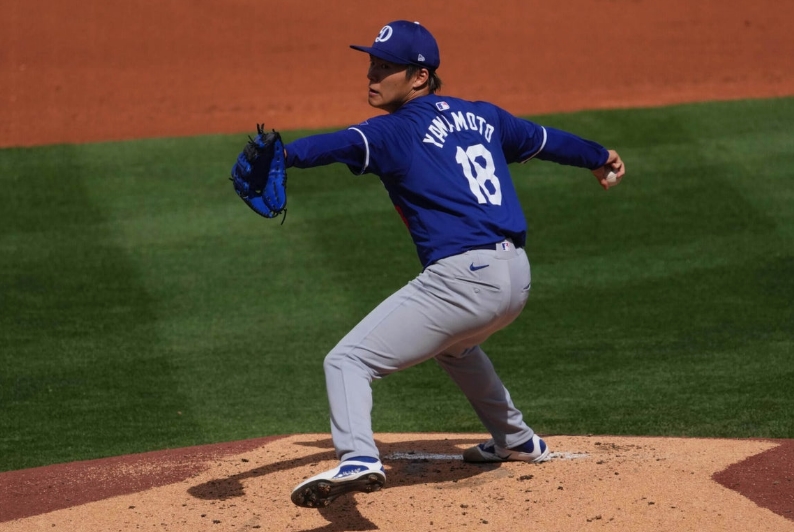
At the same time, the Dodgers are his professional home. Fans in Los Angeles expect dominance every fifth day. Balancing those roles demands open communication between Yamamoto, Team Japan, and the Dodgers’ front office. Yoshinobu Yamamoto balances workload for WBC repeat
In recent tournaments, MLB teams and national federations have collaborated closely to determine pitch restrictions and recovery strategies. It’s likely that Yamamoto’s WBC performances would come with severe boundaries—perhaps a cap on innings per outing and mandatory recuperation afterward.
The Mental Equation
Workload management isn’t just physical. The mental pressure of competing at the top level, across countries, can be just as hard. Traveling between Japan and the United States, adjusting to time zones, and shifting across team settings can break rhythm.
Yamamoto’s demeanor, however, shows resilience. Teammates generally characterize him as poised and attentive, rarely frightened by big events. That calm demeanor will be important if he is to negotiate a season that could continue long into September.
The Dodgers’ sports science department also plays a crucial role. Recovery routines—cold tubs, specialized strength training, sleep optimization—are all part of the contemporary pitcher’s arsenal. Yamamoto’s adaption to MLB’s recuperation system may ultimately determine how well he manages both campaigns. Yoshinobu Yamamoto balances workload for WBC repeat
A Global Symbol of the Game
Yamamoto’s voyage symbolizes baseball’s increasingly global identity. A Japanese ace shining in Los Angeles, potentially defending a world title while chasing MLB history, reflects the sport’s intertwined future. Yoshinobu Yamamoto balances workload for WBC repeat
His participation in the World Baseball Classic also benefits the Dodgers indirectly. Strong performances on that platform boost his reputation, bringing international attention and strengthening the team’s brand in Asia. Yet commercial gains are secondary to competitive concerns. Health remains the cornerstone.
Lessons From the Past
Baseball history is littered with cautionary tales of pitchers overextended by hefty workloads. Teams today are significantly more cautious. Data-driven insights allow firms to project fatigue threats with astonishing accuracy. Yoshinobu Yamamoto balances workload for WBC repeat
For Yamamoto, the approach presumably includes progressive buildup. Spring training innings will be examined extensively. If he pitches in the WBC, his MLB season may start with shorter appearances before eventually stretching deeper into games. This technique assures he remains fresh for the moments that establish legacies: playoffs starts under the bright lights of October.
The Bigger Picture
Ultimately, Yamamoto’s balancing act reflects ambition at its ultimate level. Defending a World Baseball Classic crown while attempting a Dodgers three-peat is no minor endeavor. It demands confidence between player and organization, accurate planning, and unflinching discipline.
If managed well, the twin pursuit might enhance Yamamoto’s prominence even further. A successful WBC showing would reinforce his role as Japan’s ace. A dominant MLB postseason may carve his place alongside the greats who have led championship runs. For now, the focus remains solid. Each bullpen session, each carefully observed start, feeds toward a long-term vision. Yamamoto isn’t pursuing headlines; he’s chasing lasting brilliance.
In a sport where margins are narrow and seasons are long, equilibrium becomes an art form. And few are better qualified to master that craft than Yoshinobu Yamamoto—a pitcher poised between nations, between championships, and between history and the present, aiming to provide brilliance on both stages without surrendering either ambition. Yoshinobu Yamamoto balances workload for WBC repeat
About the Author