Trump Voter ID to be required to vote in midterm elections – Former President Donald Trump has once again aroused national debate by saying that voter identification will be required statewide in the next U.S. midterm elections if he and his backers have their way. The declaration, given amid a rally filled with supporters, quickly revived a long-running controversy about election security, voter access, and the future of democracy in the United States.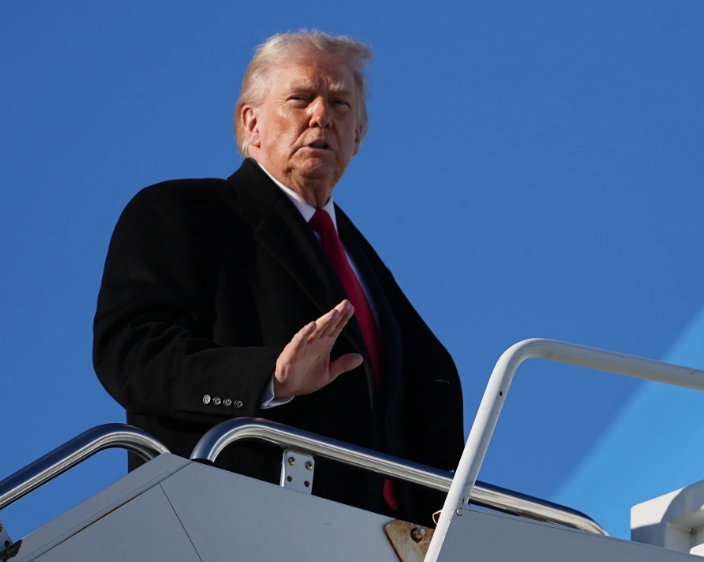
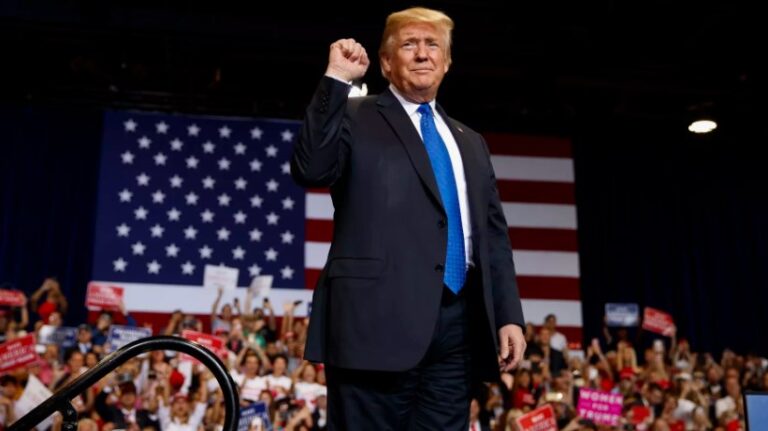
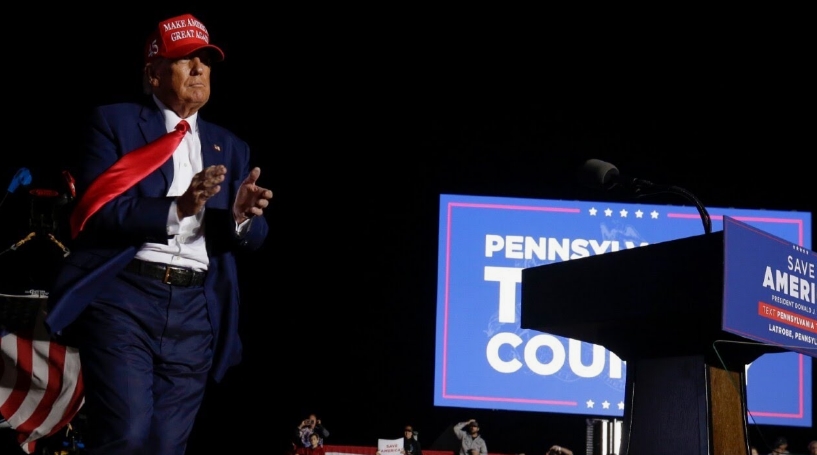
Standing before a sea of red caps and campaign posters, Trump portrayed voter ID as a simple issue of common sense. “If you need ID to drive a car, to board a plane, to buy certain products,” he continued, “you should need ID to vote.” The crowd replied with enthusiasm, demonstrating a sentiment among many of his followers that stronger identification requirements are important to protecting the integrity of elections.
The subject of voter ID has long split the country along partisan lines.
Many officials within the Republican Party say that demanding identification helps prevent fraud and ensures public confidence in election outcomes. They suggest that even the perception of vulnerability in the system can diminish trust, and that clear, universal criteria would convince voters that every ballot is legal.
Critics, however, see the subject differently. Civil rights advocates and many Democrats say that tight voter ID laws can disproportionately harm marginalized communities, including low-income individuals, elderly residents, students, and minorities. They claim that not everyone has simple access to government-issued identification and that increased restrictions could discourage participation, particularly in groups already facing challenges to voting. Trump Voter ID to be required to vote in midterm elections
Trump’s remarks did not include concrete policy suggestions but implied a push for federal legislation or coordinated state-level action before the next midterm campaign. Historically, election laws in the United States are mostly set at the state level, leading to a hodgepodge of legislation. Some states already mandate photo identification at polling sites, while others permit non-photo IDs or allow voters to authenticate their identity in different ways.
By pushing for a nationwide voter ID requirement, Trump is showing a desire for consistency. Supporters claim that a consistent method would avoid uncertainty and lessen conflicts over electoral procedures. They commonly cite concerns voiced during earlier elections, alleging that variations between states present potential for wrongdoing. For them, voter ID signifies not suppression, but security.
Opponents reply that proof of significant voter fraud in current U.S. elections remains exceedingly scarce. Numerous studies and examinations throughout the years have discovered only solitary incidences. Critics contend that creating extensive legislation based on rare cases could unintentionally affect legitimate voters. They worry that strict identification standards would result in longer lineups, more rejected ballots, and greater administrative burdens for local election authorities.
Beyond the policy specifics, Trump’s statement is also politically strategic. Election security remains a major issue for his base. Since the acrimonious 2020 presidential contest, debates concerning voting methods, mail-in votes, and ballot counting have become central themes at rallies and campaign events. By emphasizing voter ID, Trump supports a narrative that resonates powerfully with supporters who feel the system needed stricter safeguards.
There is also a symbolic element to the issue. For many Americans, voting is not merely a civic obligation but a deeply emotional act—one related to history, identity, and hard-fought rights. The right to vote has increased over ages through constitutional amendments and civil rights struggles. Any proposed modification to voting rules naturally elicits emotional responses, both hopeful and apprehensive. Trump Voter ID to be required to vote in midterm elections
Some voters say they perceive ID rules as no different from security checks in other spheres of life. They consider that establishing identity is a little hassle compared to the benefits of defending democracy. Others see potential unintended consequences: a grandma who no longer drives and has an expired license; a college student living away from home; a rural dweller who must travel hours to obtain legal identification. These real-life events add complexity to what would otherwise appear like a basic proposition.
Legal fights may follow if a nationwide voter ID mandate were enforced. Courts have already weighed in on similar legislation at the state level, sometimes sustaining them and other times knocking them down if they were shown to disproportionately burden specific groups. Any federal mandate would undoubtedly receive quick scrutiny, perhaps setting the stage for a high-profile legal confrontation.
Election officials, meanwhile, would encounter logistical issues. What forms of ID would be acceptable? Would the federal government issue free identification cards? How would states update voter rolls and educate poll workers? Implementing a new nationwide standard in time for midterm elections will involve tremendous cooperation and investment. Trump Voter ID to be required to vote in midterm elections
Public opinion remains divided. Polls in recent years have revealed that a majority of Americans, including some independents and Democrats, express support for voter ID in principle. However, support typically swings depending on how the topic is presented and whether the law contains measures to ensure IDs are easily accessible and free of charge.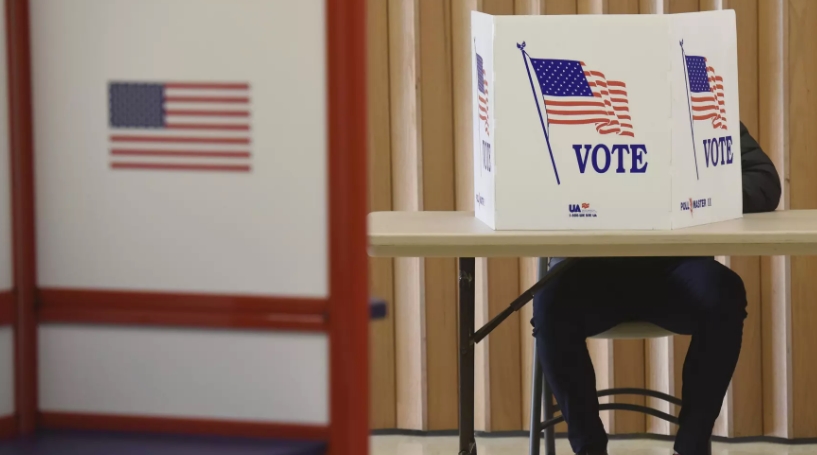
Trump’s proclamation ensures that voter ID will be a defining topic in campaign advertising going up to the midterms. Candidates throughout the country may be pushed to clarify their stance, potentially impacting debates in congressional and gubernatorial campaigns. The conversation is expected to arise not just in political commercials and speeches, but also in town halls, community gatherings, and social media discussions.
At its foundation, the voter ID dispute reflects a wider tension inside American democracy: how to balance security with accessibility. Most Americans agree on the necessity of fair and accurate elections. The dispute rests in how best to attain that goal without compromising participation.
As the midterm elections approach, the subject threatens to stay front and center. Whether voter ID becomes a universal requirement or continues to vary state by state, the issue emphasizes a fundamental truth: in the United States, few topics are as powerful—or as personal—as the rules governing the right to vote. Trump Voter ID to be required to vote in midterm elections
About the Author