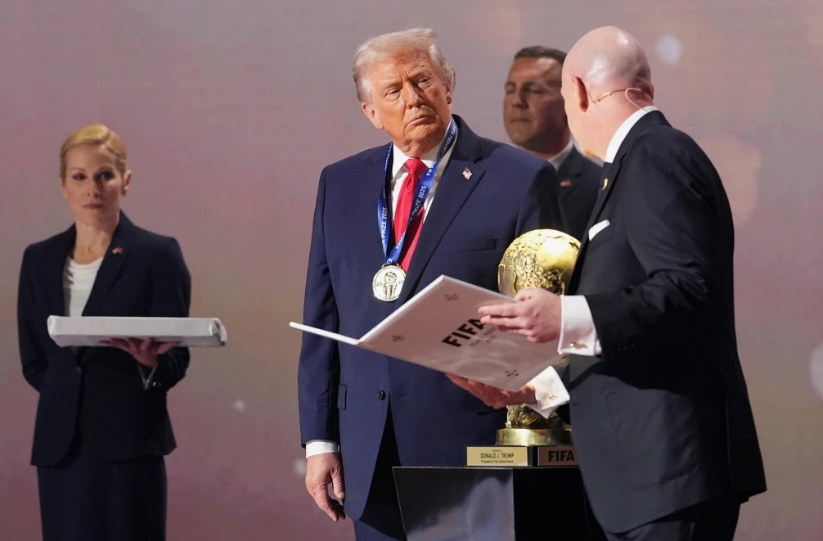
Trump’s trophy collection grows as industries continue to flatter – Donald Trump has long judged success in bold numbers — towers with his name in gold, election-night tallies, television ratings, and now, a growing collection of political and legal “wins” that he and his followers describe as trophies. Yet as these symbolic successes accrue, several large businesses across the United States continue to grapple with economic uncertainties, shifting policies, and structural issues that are considerably less joyous.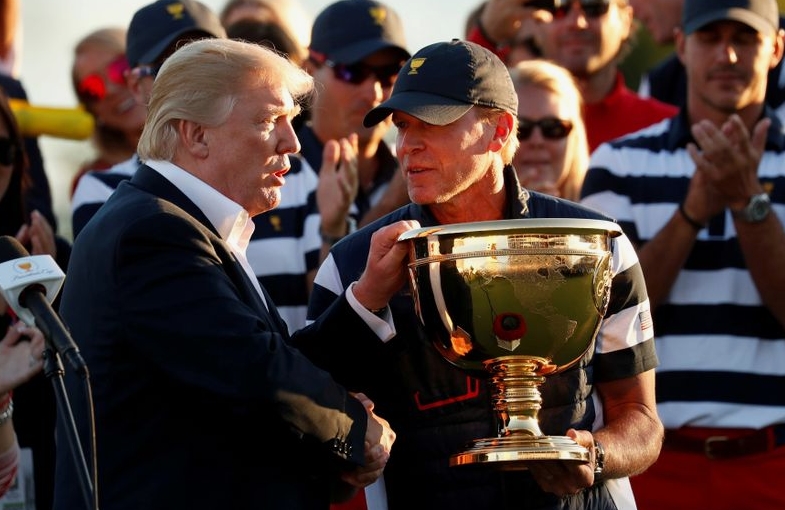
The difference is stark. On one side stands Trump, displaying confidence, resilience, and success in rallies and public appearances. On the other are sectors of the economy handling rising costs, global competitiveness, supply chain modifications, and new laws. Whether one perceives Trump’s expanding list of successes as proof of leadership or as political theater, the larger economic environment offers a more nuanced story.
A Narrative of Winning
Trump has long understood the importance of branding. During his administration and beyond, he interpreted judicial verdicts, legislative battles, and political endorsements as evidence of dominance. Each favorable verdict or primary victory becomes part of a wider story – one that strengthens his image as a fighter who refuses to back down.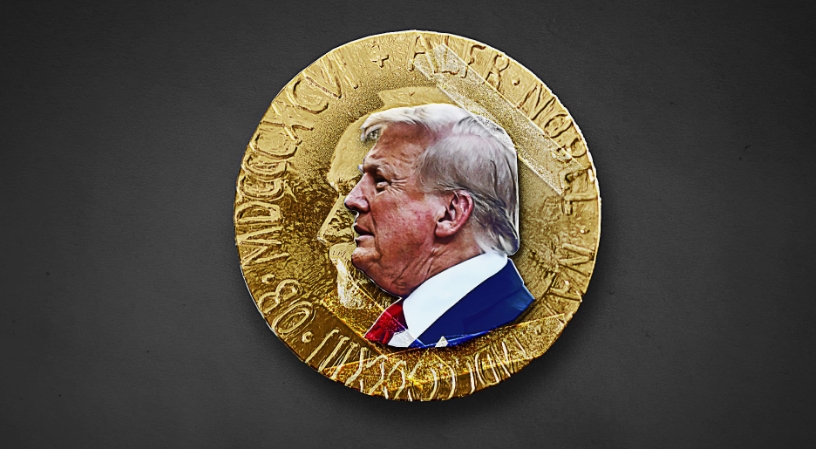
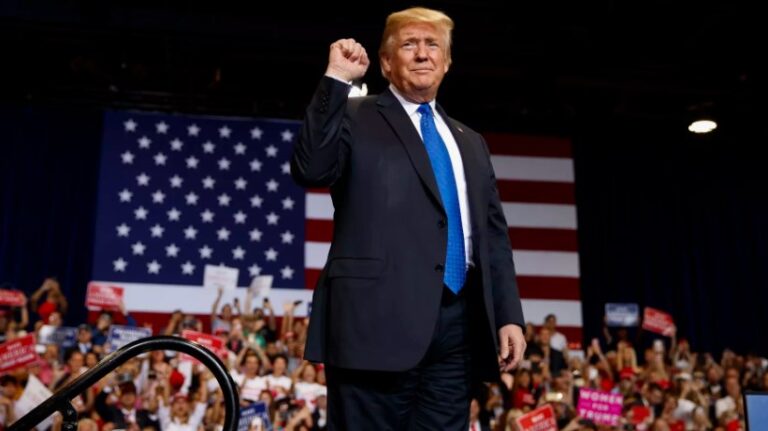
For his supporters, these instances constitute validation. They witness a leader who withstands legal challenges, media scrutiny, and political opposition, yet continues to emerge with momentum. Fundraising numbers rise. Endorsements grow. Poll standings fluctuate but generally remain competitive. In Trump’s universe, these are prizes – concrete marks of staying power. But politics rarely exists in isolation from economics. While political headlines hail courtroom victory or primary victories, business leaders across numerous industries face difficulties that cannot be brushed aside with hyperbole.
Manufacturing: Between Promise and Pressure
Manufacturing has often been crucial to Trump’s messaging. He has often claimed to restore American industry, bring jobs back from overseas, and enhance domestic manufacturing. In several locations, investment announcements and factory expansions have boosted optimism.
Yet manufacturing as a whole faces difficult circumstances. Automation continues to change labor needs. Global supply chains, however recalibrated after pandemic disruptions, remain intertwined. Inflationary pressures and shifting interest rates effect capital investment decisions. Small and mid-sized manufacturers, in particular, are constrained by increasing borrowing costs and unstable demand.
While political speeches promote individual plant openings as trophies, the wider sector’s resurgence remains patchy. Some places flourish with advanced manufacturing expansion, while others struggle to adapt to technological shifts.
Energy: Expansion and Uncertainty
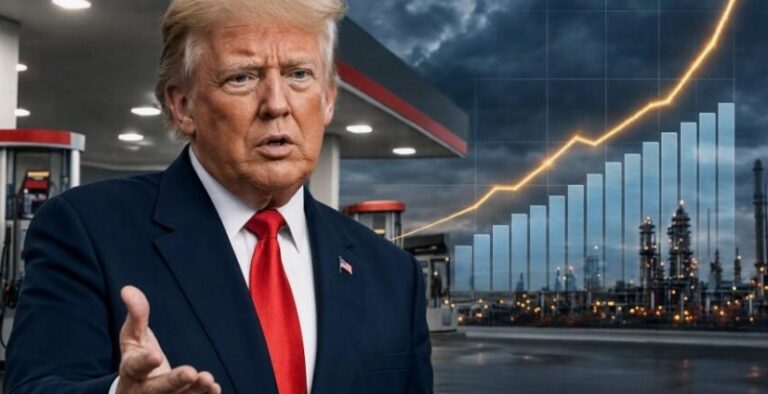
Energy policy has also played a key role in Trump’s platform. Calls for increasing domestic oil and gas production resonate well in specific states. Supporters say that less regulatory limits might encourage growth and cut energy prices.
At the same time, the energy landscape is undergoing a tremendous transformation. Renewable energy investments are rising internationally. Companies must reconcile fossil fuel development with climate pledges and investor expectations. Energy markets are notoriously volatile, affected not only by U.S. policy but by geopolitical dynamics and worldwide supply decisions.
The industry’s future does not rest on a single government or leader. Instead, it indicates a long-term transition. Even as political rhetoric promises quick expansion, executives and investors analyze long-term patterns that transcend election cycles.
Technology: Growth with Growing Pains
The technology sector remains one of America’s biggest economic engines, yet it too faces uncertainty. Regulatory scrutiny has intensified. Trade tensions influence semiconductor supply chains. Artificial intelligence, cybersecurity dangers, and data privacy concerns offer new layers of complexity.
Tech businesses frequently desire stability and predictable regulatory frameworks. Political turmoil — regardless of party — might cause reluctance in investment planning. While stock market gains can be presented as economic trophies, underlying instability and global competition remind investors that the sector’s dominance is never guaranteed.
Agriculture: Weathering Multiple Storms
American farmers have undergone a difficult decade. Trade disputes, shifting export markets, climate-related issues, and fluctuating commodity prices create a tough operating environment. Government subsidies and support programs give relief, but long-term sustainability remains a significant matter.
Rural communities frequently represent a major portion of Trump’s political base. Yet many agricultural farmers know that global demand, trade agreements, and environmental factors affect their fortunes more than campaign slogans do. The symbolism of political victory does not often transfer directly into financial stability for farms navigating narrow margins. Trump’s trophy collection grows as industries continue to flatter
Financial Markets: Confidence and Caution
Financial markets respond fast to political cues. Rhetoric around deregulation or tax policy might promote optimism. Yet markets also react to uncertainty, court disputes, and policy ambiguity. Investors need certainty. Businesses plan years ahead. When headlines are dominated by political drama, markets can suffer both surges and drops, reflecting different perceptions of future policy direction. Trump’s trophy collection grows as industries continue to flatter
Trump’s supporters often cite to stock market highs as evidence of economic health. Critics reply that markets reflect global trends and monetary policy actions that transcend beyond any particular political entity. The answer likely lies somewhere in between: political leadership important, but so do structural economic pressures.
The Power of Perception
Perhaps the most significant prize in Trump’s collection is perception itself. In politics, confidence can be contagious. A narrative of winning may inspire supporters, recruit contributors, and build momentum that feeds on itself. But perception does not eliminate structural difficulties. Inflation does not evaporate because of a rally speech. Supply chains do not rebalance overnight. Technological disruption does not wait for political cycles. Trump’s trophy collection grows as industries continue to flatter
The gap between symbolic successes and economic reality is where most of today’s national debate sits. Some Americans see perseverance and strength. Others perceive distraction from fundamental issues. Many corporate leaders adopt a more realistic posture, preparing for multiple potential policy outcomes while focusing on operational basics.
A Divided Interpretation
The meaning of Trump’s burgeoning trophy cabinet depends entirely on perspective. To his base, each court dismissal or political support is proof that he withstands persistent opposition. To detractors, these innovations do not always address greater economic concerns facing consumers and industries. Meanwhile, regular Americans continue managing mortgage rates, grocery expenditures, healthcare expenses, and job security. For them, political trophies matter less than concrete advances in financial stability. Trump’s trophy collection grows as industries continue to flatter
Looking Ahead
As election cycles deepen, the interaction between political achievements and economic performance will only get more pronounced. Campaign narratives will spotlight wins, pledges, and projections. Industries will continue responding to global influences, technological innovation, and consumer behavior shifts. The ultimate measure of leadership, many economists suggest, lies not in symbolic wins but in sustainable growth, resilience, and broad-based prosperity. Trophies may inspire a movement, but long-term economic strength needs on policy stability, global cooperation, and private-sector innovation.
Trump’s ability to command attention remains obvious. His brand of politics feeds on momentum and show. Yet as companies respond to complicated and dynamic conditions, the actual scoreboard may not be the number of political wins won, but the stability and opportunity felt by firms and people across the country. In the end, the story is less about a trophy shelf and more about whether economic fundamentals coincide with political narratives. That balance — between symbolism and substance — will shape the next chapter of America’s economic and political journey. Trump’s trophy collection grows as industries continue to flatter
About the Author