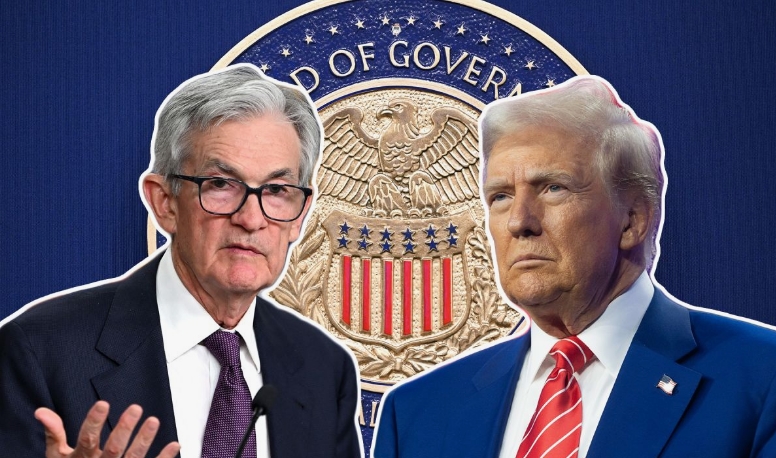
Trump Taps Kevin Warsh as New Federal Reserve Chair, Signaling a Major Shift in U.S. Economic Direction – In a move that rapidly changed expectations for the future of U.S. monetary policy, President Donald Trump has nominated former Federal Reserve Governor Kevin Warsh as the new Chair of the Federal Reserve. The choice is one of the most momentous economic appointments of Trump’s presidency and suggests a clear shift in how the White House wants America’s central bank to operate in the years ahead.
Warsh, a seasoned financial policymaker with broad ties to Wall Street and Washington, steps into the post at a moment of exceptional economic uncertainty. Inflation pressures, turbulent markets, geopolitical conflicts, and concerns about U.S. debt levels have all placed the Federal Reserve under severe scrutiny. Trump’s decision shows he wants a Fed chair who is not only experienced but also more consistent with his broader economic vision—one that stresses growth, competition, and a strong dollar.
A Familiar Face Returns to the Fed
Kevin Warsh is no stranger to the Federal Reserve system. He previously served as a Fed governor from 2006 to 2011, a period that includes the 2008 global financial crisis. During that chaotic time, Warsh played a critical role in determining the Fed’s reaction to the collapse of major financial institutions and the freezing of credit markets.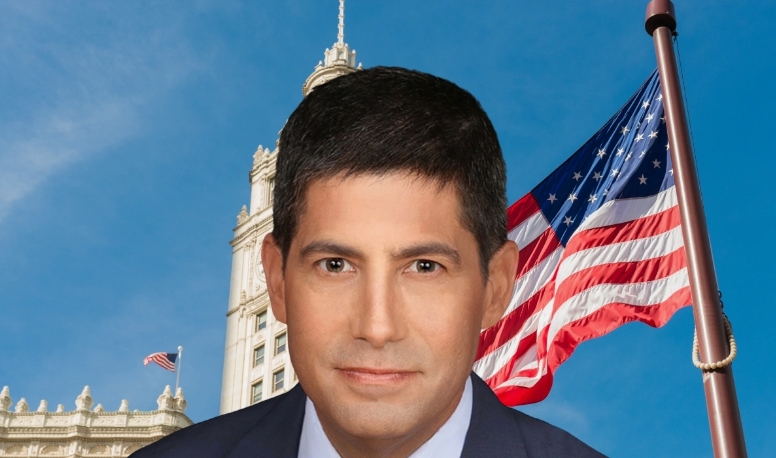
Unlike many central bankers, Warsh came to the Fed with extensive private-sector expertise. Before joining the central bank, he worked at Morgan Stanley and later served as an economic consultant in the George W. Bush administration. That blend of Wall Street knowledge and government service has long made him a fascinating figure for policymakers seeking a bridge between markets and regulation. Trump has often lauded Warsh as “tough, smart, and independent,” attributes the president believes are important for running the Fed at a moment when every interest rate decision reverberates across the global economy.
A Clear Break From the Past
Trump’s decision to appoint Warsh also underscores his long-standing displeasure with the Federal Reserve’s leadership. Throughout his political career, Trump has blasted the Fed for being either too slow or too aggressive, depending on the economic conditions. He has repeatedly maintained that excessive interest rates hinder growth, damage American manufacturing, and hurt average consumers.
Warsh, while fiercely independent, has already expressed caution about protracted easy-money policies and large-scale asset purchases. However, he has also underlined the necessity of flexibility and trustworthiness, suggesting he is unlikely to follow a tight ideological playbook.
This balance is precisely what makes Warsh’s appointment so essential. Markets are now watching intently to see whether he would guide the Fed toward stricter monetary discipline or embrace a more growth-oriented attitude aligned with Trump’s economic objectives.
Market Reaction: Cautious yet Curious
Financial markets reacted rapidly to the announcement. Stocks posted small increases, while Treasury rates fluctuated as investors recalibrated their expectations for future interest rate policies. Analysts regarded the reaction as “cautiously optimistic,” saying that Warsh’s experience throughout crisis periods could prove soothing during difficult times.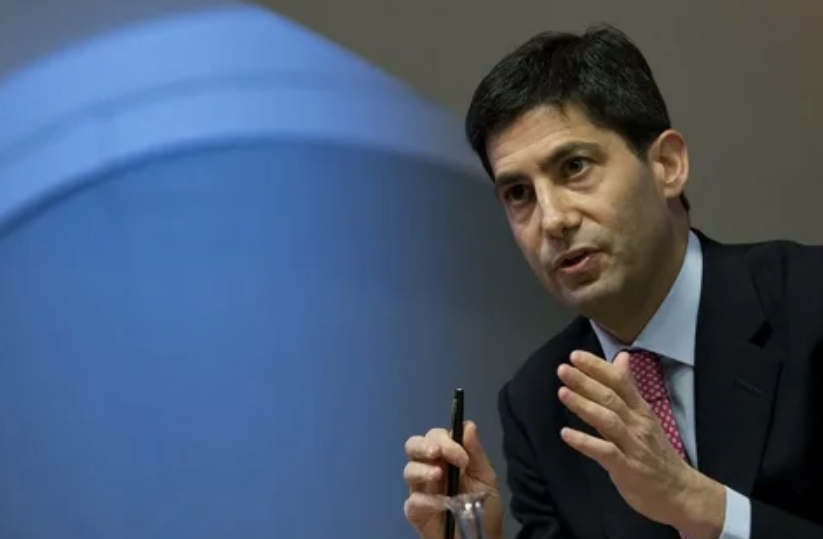
Some investors applauded the appointment, considering Warsh as a stabilizing factor with a strong understanding of financial systems. Others, however, highlighted concerns about potential political pressure on the normally independent central bank. Trump Taps Kevin Warsh as New Federal Reserve Chair
“Warsh has always defended the Fed’s independence,” said one senior economist at a large U.S. bank. “The real question is how he navigates that principle while working with a president who has strong opinions about monetary policy.”
A Human Impact Beyond Wall Street
While Fed leadership frequently feels detached from regular life, the ramifications of Warsh’s appointment will be felt far beyond trading floors and boardrooms. Interest rates influence everything from mortgage payments and vehicle loans to job creation and wage growth. Trump Taps Kevin Warsh as New Federal Reserve Chair
If Warsh prioritizes price stability and inflation control, borrowing prices could remain higher for longer, harming individuals and small companies. On the other side, a Fed that leans toward growth may soften financial conditions, thereby encouraging investment and consumer spending. For millions of Americans still suffering with the expense of living, the Fed’s next chapter is intensely personal—even if it unfolds through technical terminology and policy announcements.
Supporters and Critics Weigh In
Supporters claim that Warsh brings credibility, experience, and a steady hand at a moment when confidence in institutions is fragile. They refer to his crisis-era leadership and ability to articulate complex economic topics in straightforward words. Trump Taps Kevin Warsh as New Federal Reserve Chair
Critics, however, caution that Warsh’s Wall Street background could make him more sympathetic to financial markets than to labor. Progressive voices have raised questions about whether he would prioritize employment and wage growth with the same urgency as inflation. Warsh has already pushed back against such criticism, underlining that a successful economy requires both stable prices and broad-based opportunities.
What Comes Next for the Federal Reserve
If approved, Warsh will inherit a Fed facing no easy decisions. Slowing GDP, persistent inflation threats, and global uncertainties will test his leadership from day one. His job will be to maintain the Fed’s independence while handling considerable political and public pressure.
For Trump, the selection reflects a strategic bet: that Warsh can offer economic stability without harming growth—and do so in a way that matches more closely with the administration’s aims. As Kevin Warsh prepares to take the leadership of the world’s most powerful central bank, one thing is clear: the course of U.S. monetary policy is entering a new era. And the decisions taken in the next months will affect not only markets, but the financial lives of millions of Americans for years to come. Trump Taps Kevin Warsh as New Federal Reserve Chair
About the Author